




Sex and Endometriosis: How to Reclaim Intimacy on Your Terms

Let’s talk about something that deserves way more airtime: intimacy and endometriosis.
March may be Endometriosis Awareness Month, but if you’re living with endo, you know the experience doesn’t just clock out when the calendar flips. The pain, the flare-ups, the mental load... it’s all very real, every single day. And one area it can deeply impact? Your sex life.
Endometriosis affects about 1 in 10 people of reproductive age assigned female at birth—around 190 million individuals worldwide. Yet, for all its prevalence, we don’t often talk about how it can reshape things like sex, desire, body confidence, or even emotional closeness with a partner.
So, let’s do that here.
Whether you’re navigating painful sex, feeling disconnected from your body, or just wondering how intimacy fits into your endo journey, you’re not alone.
This guide is all about helping you feel more informed, more supported, and maybe even more hopeful when it comes to intimacy, pleasure, and connection—with yourself or a partner.
What Is Endometriosis and How Does It Impact Sex?
First, here's a quick refresh on what endometriosis is: because the more we understand it, the more empowered we are to care for ourselves (and communicate what we need).
Endometriosis happens when tissue similar to the lining of the uterus grows outside of it—often on the ovaries, fallopian tubes, or pelvic wall. This tissue still reacts to hormonal changes, so it thickens, breaks down, and bleeds like a period... but there’s nowhere for it to go.
Cue inflammation, scarring, adhesions, and pain. Lots of it.
Common symptoms include:
-
Chronic pelvic pain
-
Pain during or after sex (yep, we’ll get into that)
-
Heavy or painful periods
-
Fatigue
-
Digestive issues
-
Fertility challenges
Sexual pain is one of the most under-discussed but deeply felt symptoms. Up to 70% of people with endometriosis experience sexual dysfunction—whether that’s pain, low desire, or difficulty reaching orgasm. And if that’s something you’re going through? You’re not alone—and you’re not doing anything wrong.
Sex and Pain: The Reality Beneath the Sheets
Let’s be real: pain during sex is more than a mood killer. It can feel like your body is working against you. Like pleasure isn’t even on the table.
In people with endometriosis, a type of sexual pain called deep dyspareunia (that’s pain with deep penetration) is especially common. It can feel sharp, achy, or even like a deep internal bruise. Not exactly what you had in mind when you thought of “getting intimate,” right?
The pain can come from several things: the location of endo lesions, nerve involvement, inflammation, or pelvic floor muscle tension (more on that later). And here’s the kicker—anticipating the pain can sometimes make things worse. When you expect it to hurt, your body naturally tenses up. Over time, that tension can become its own source of discomfort, even if the initial cause isn’t flaring.
It’s a complicated loop. One that can make sex feel scary, frustrating, or even impossible at times.
But here's the good news: there are ways forward. Think gentler, kinder, and more creative approaches that can bring connection back into the picture (without pushing your body past its limits).
The Emotional Toll: Body, Mind, and Relationships
Endometriosis doesn’t just live in the body: it affects your mind, your mood, your confidence, and your relationships.
Chronic pain, unpredictable flare-ups, hormonal ups and downs... it’s a lot. And when sex becomes something stressful or painful instead of pleasurable, it can start to impact how you see yourself, your body, and your place in a relationship.
You might find yourself asking:
-
“Why can’t I just enjoy sex?”
-
“Will my partner lose interest?”
-
“Am I broken?”
Spoiler: You’re not. You’re navigating something real and challenging that you didn't choose... and you're doing your best within it. That doesn’t make you broken. It makes you human.
Reframing Intimacy: Less Pressure, More Possibility
When penetration is painful (or just not appealing), what do you do?
You get creative.
Intimacy doesn’t have to be one-size-fits-all. It doesn’t have to be orgasm-focused or penetration-centric. It doesn’t even have to be about sex at all.
It can look like:
-
A long, warm bath together
-
Slow, sensual massage
-
Skin-on-skin cuddling under the sheets
-
Mutual touch or masturbation
-
Sharing fantasies or exploring arousal in new ways
The key is communication. Let your partner in: talk about what feels good, what doesn’t, and how things might change from one day to the next. (Because with endo, they often do.)
Instead of chasing a “finish line,” try shifting toward an experience-based mindset. Focus on what feels good, what builds connection, and what brings you closer—physically or emotionally.
Remember: There’s no right or wrong way to be intimate. There’s only what works for you.
What Can Help: Medical, Physical, and Therapeutic Tools
Unfortunately, there’s no magic fix for endometriosis. But some options can help ease symptoms and improve your sex life:
Medical Treatments
Hormonal therapies (like the pill, hormonal IUDs, or GnRH agonists)can reduce or stop periods, which often means less inflammation and pain. Some people also benefit from surgery (typically laparoscopic) to remove or reduce endometrial lesions.
Pelvic Floor Physical Therapy
This one’s a game-changer for many. If your muscles are constantly tensing up—either from pain or in anticipation of it—targeted physical therapy can help you relax, realign, and reconnect with your body.
In fact, studies show that pelvic PT can significantly improve both pain and sexual function in people with endo.
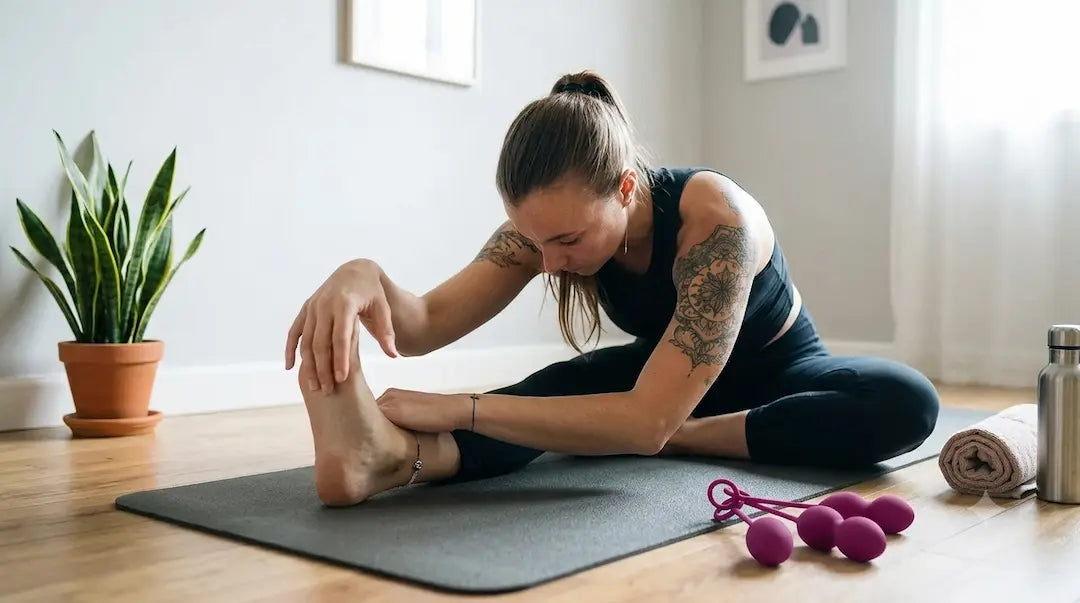
If you're looking for the perfect toy to help strengthen your pelvic floor muscles, SVAKOM Nova is an excellent contender. With 3 different sizes, tapered tips, and retrieval cords, it's an excellent way to slowly and gently build up your exercise workout down there.

| 💡 Want to learn more about how pelvic floor exercises can enhance your intimate health? Read our guide for effective pelvic floor exercises for both women and men here. |
Therapy for Your Mental & Emotional Health
Working with a therapist (especially one who understands chronic illness or sex therapy) can help unpack the fear, pressure, or negative self-talk that often shows up around intimacy.
Mindfulness-based sex therapy, cognitive behavioral therapy (CBT), or even just having a safe space to vent can make a huge difference.
Sex Toys: Gentle Tools for Exploration
For many people with endometriosis, penetrative sex can feel like too much—too soon, too painful, or just too complicated. That’s okay. Your body deserves pleasure without pressure.
This is where sex toys can offer something truly special: a way to explore sensation, arousal, and connection on your own terms.
Here are a few beginner-friendly options:
External Vibrators
Think gentle buzz, not bold intensity. Small bullet vibes or soft silicone clitoral stimulators can help awaken desire without any internal pressure.

Wand Massagers
Great for full-body relaxation or teasing erogenous zones. Wands can help ease pelvic tension and turn stress into softness.

Wearable or Remote-Controlled Toys
These give you the reins—or let your partner take them, if that feels fun. Perfect for low-effort play or slow-building arousal.

As much as we'd love for them to be, sex toys aren’t a quick fix for endometriosis pain. But they are a tool—one that can help you reconnect with your body in a safe, private, and curious way.
|
🌸 Gentle Reminder You don’t have to do it all. You don’t have to enjoy every toy. And you don’t have to push through discomfort. Explore at your own pace. And always, always listen to your body. |
Psychological Intimacy and Self-Compassion
Sometimes, the most powerful form of intimacy is the one that starts with you.
Chronic illness can chip away at your confidence, your joy, and your relationship with your body. Rebuilding that relationship—tenderly and on purpose—is a radical act of self-love.
That might look like:
-
Quiet moments of solo touch or pleasure
-
Standing in the mirror and saying something kind to yourself
-
Letting go of “shoulds” and making space for “maybes”
-
Practicing mindfulness during sex, focusing on breath, sensation, and presence
-
Working with a therapist who helps reframe the story you’re telling yourself about sex and worth
Creating a Supportive Environment
Whether you're partnered or solo, community matters. Having a partner who listens, learns, and adapts with you? That’s gold. And it starts with open, honest conversations.
Partners can support by:
-
Asking how you're feeling, not just if you're up for sex
-
Learning about endometriosis (without putting the emotional labor on you)
-
Being open to changing what sex looks like, without shame or pressure
-
Encouraging medical or therapeutic care when it feels right for you
-
Support groups (whether in person or online) can also be incredibly affirming. Hearing from others with similar experiences can help reduce isolation, inspire new coping strategies, or simply make you feel seen.
Final Thoughts: Your Intimacy, Your Terms
Living with endometriosis doesn’t mean the end of pleasure. It just means redefining what pleasure looks like for you.
Whether you’re navigating pain, rediscovering your body, or rebuilding trust with a partner, go gently. Stay curious. Choose connection over expectation. Endometriosis may shape your experience of intimacy, but it doesn’t define your capacity for connection, love, or joy.











Hinterlassen Sie einen Kommentar