Imagine living in a world where simply being yourself could get you arrested.
That was the reality for LGBTQ+ people in the 1960s. Back then, being openly gay, lesbian, bisexual, or transgender wasn’t just frowned upon—it was illegal in most places. Police would regularly raid bars where LGBTQ+ people gathered, just for daring to exist and have fun together.
Life Before Pride
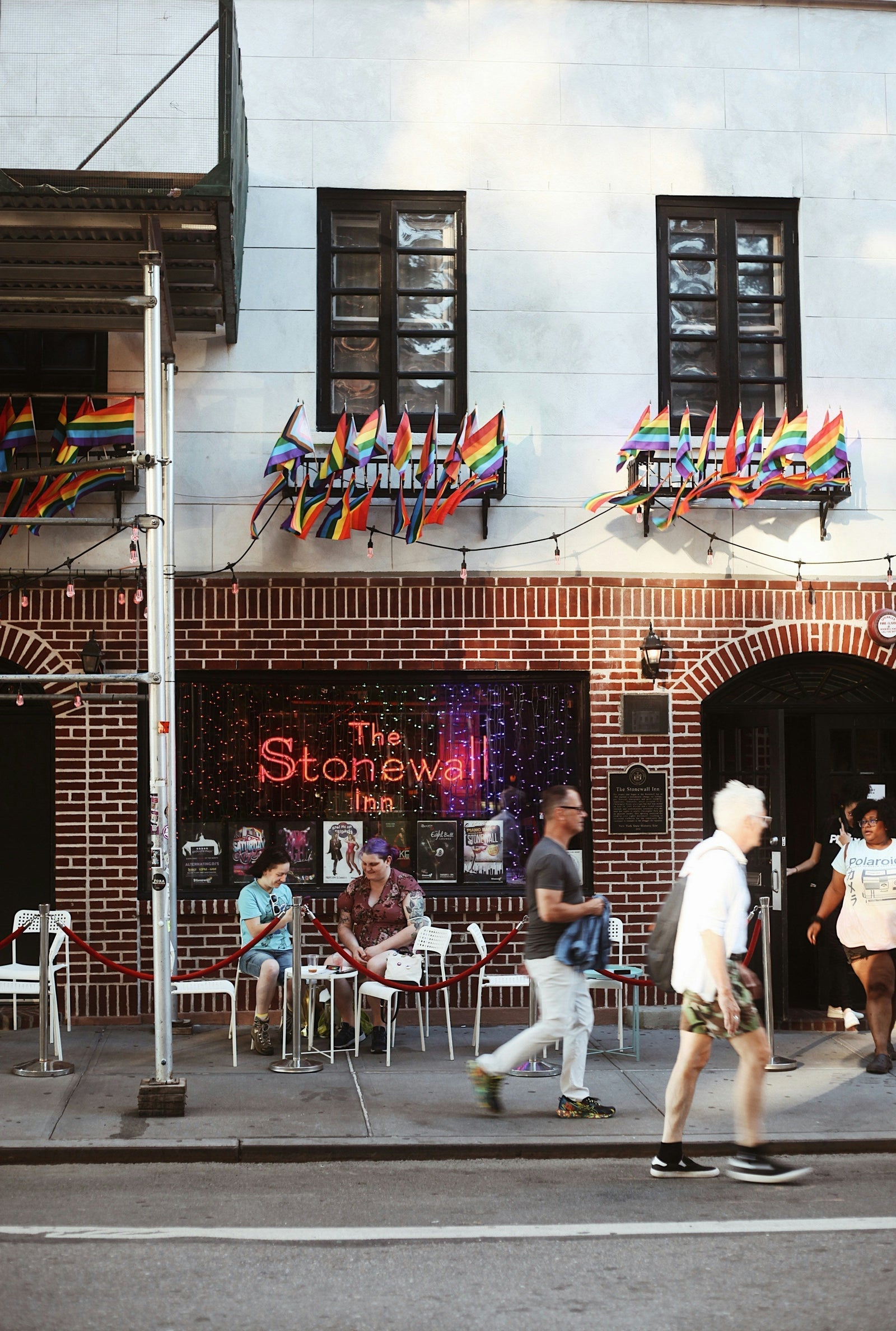
Gay bars like the Stonewall Inn in New York City’s Greenwich Village were more than just places to grab a drink—they were safe havens for people who didn’t feel safe anywhere else. The Stonewall Inn wasn’t fancy: it was a bit run-down, but it welcomed everyone, especially those who were often excluded elsewhere: transgender people, drag queens, people of color, and young folks who had nowhere else to go.
But even these safe spaces weren’t truly safe. Police raids were common. Officers would storm in, turn on the lights, line everyone up, and arrest people for “breaking the rules.” Most nights, people would try to stay calm and hope it would be over soon.
The Night Everything Changed
But on June 28, 1969, something was different. When police raided the Stonewall Inn that night, the crowd decided enough was enough. People refused to show their IDs, some fought back, and a crowd gathered outside, growing bigger and bolder with every minute.
Stormé DeLarverie, who was there that night, later said,
“It was a rebellion, it was an uprising, it was a civil rights disobedience—it wasn’t no damn riot.”
People started chanting, throwing coins and bottles, and standing up for their rights. The police were shocked and ended up barricading themselves inside the bar as the crowd outside demanded justice. The protests lasted for days, with more and more people joining in. Thirteen people were arrested that first night, and the Stonewall Inn was nearly destroyed, but the spirit of the community was stronger than ever.
The Birth of Pride
Stonewall wasn’t the first time LGBTQ+ people fought back, but it was a turning point. It inspired people to organize, speak out, and demand equal rights. New activist groups formed, and just one year later, on June 28, 1970, the very first Pride march took place in New York City, marking the anniversary of the uprising. That march became the tradition we now know as Pride Month, celebrated all over the world.
“The bottom line was, we weren’t going to go away. And we didn’t.”
Why Stonewall Still Matters
Stonewall showed the world that LGBTQ+ people wouldn’t be silenced anymore. In 2016, the Stonewall Inn became the first U.S. national monument dedicated to LGBTQ+ rights and a powerful reminder of how far we’ve come and how much further we can go.
Pride is about celebrating who you are, remembering those who stood up for equality, and continuing the fight for a world where everyone can be themselves: no exceptions.
Some people might say stuff like “I have low libido” or “I have a very high libido,” but the truth is that this doesn’t really make sense. Libido isn’t something you either have or don’t have. It’s like hunger—it can fluctuate, and that’s how it’s supposed to work.
Most women searching for “vaginal orgasm” wonder if it’s real, how it feels different from clitoral, and whether they can actually experience it. In this complete 2026 guide we break down the science, step-by-step G-spot and blended techniques, and how SVAKOM’s dual-stimulation rabbit vibrators make deeper, full-body pleasure easier and more accessible than ever. Slow down, explore, and discover the difference.
Plume means “feather” in French — and this SVAKOM dual-sensation vibrator truly lives up to its name. A soft, flexible brush tail delivers feather-light teasing, while the powerful vibrating egg body offers deeper, grounding pleasure. From sensual foreplay on face, neck and nipples to slow, intentional exploration, Plume invites you to slow down and truly feel. Perfect for mindful solo moments or playful partnered play, it proves that light touch can be the most intense pleasure of all
Has this ever happened to you? Sex was good. The connection seemed to be there. It could have been the best night of your life, but… In a matter of minutes, everything was over. No cuddles, no smooth endings. Just a sudden change in the vibe.
Have you ever almost reached orgasm, and then decided to stop? You switch position or change activity, with the purpose of delaying the gratification of orgasm… And making the whole experience last longer.
Anal play deserves patience and care. Learn how to prepare safely and comfortably—from hygiene and lube to communication and aftercare—so you can relax and truly enjoy the experience.
For centuries, female pleasure has been misunderstood, ignored, or treated as secondary in conversations about sexuality. Today, science and open dialogue are helping change that narrative. Discover why female pleasure is not only natural, but an important part of wellbeing, confidence, and personal empowerment.
Vibrator vs Suction Toy: What’s the Difference (and Which Should You Choose)?
If you’re finding yourself torn between a classic vibrator and a suction toy, welcome to the club. On paper, they both stimulate the clitoris. In practice? They can feel worlds apart.
BDSM isn’t only about extremes: it’s about trust, communication, and intentional pleasure. Discover how to explore gentle power dynamics safely, understand consent and boundaries, and build confidence through informed, respectful play.
Discover SVAKOM’s hottest pink vibrators in 2026. From gentle clitoral stimulators and powerful G-spot vibrators to app-controlled and heating models — explore key features, real usage scenarios, and expert techniques for maximum pleasure. Body-safe, whisper-quiet, and designed for women and couples.