Bisexual generally describes attraction to more than one gender, while pansexual describes attraction regardless of gender. The two labels overlap, and some people identify with both. Bisexual people may also experience attraction without gender being a defining factor. Ultimately, neither label has one fixed definition that applies to everyone.
Bisexual generally describes attraction to more than one gender, including men, women, and non-binary people. It does not mean being equally attracted to all genders, nor does someone need relationship or sexual experience with different genders to identify as bisexual. The term has a long history and remains widely recognized.
Some bisexual people feel that gender plays a role in their attraction, while others do not. Both experiences can fit within the bisexual label.
What Does Pansexual Mean?
Pansexual typically describes attraction to people regardless of gender. For many pansexual people, gender is not a defining factor in who they find attractive. This can include attraction to men, women, non-binary people, and people of other gender identities.
Some people choose the pansexual label because it clearly expresses that gender does not limit their attraction. Others with similar experiences prefer the bisexual label. Both are personal choices.
Bisexual vs. Pansexual: Differences and Overlap
The differences between bisexual and pansexual are often more about personal understanding and emphasis than strict definitions:
Attraction: Bisexual generally describes attraction to more than one gender, while pansexual describes attraction regardless of gender.
The role of gender: Some bisexual people consider gender relevant to their attraction, while many pansexual people describe gender as less important or irrelevant. However, these experiences can overlap.
Personal identity: Bisexual is a long-established and widely recognized label. Pansexual offers another way for people to describe their experience of attraction.
Neither label is inherently more inclusive than the other. Bisexuality can include attraction to people of all genders, including transgender and non-binary people.
Some people choose pansexual because it explicitly communicates attraction regardless of gender. Bisexuality can also include attraction to non-binary people and people of all genders. Neither label is inherently more inclusive.
Some people may relate to both descriptions and use both labels. Others prefer one term because it better reflects how they understand their attraction or how they want to describe themselves. Some may choose broader terms such as queer or bi+. There is no single right label, and no one needs to fit neatly into a category.
What Is the Bisexual Umbrella?
The bisexual umbrella, sometimes called the bi umbrella, is a broad term used to describe identities involving attraction to more than one gender. It can include bisexual, pansexual, omnisexual, and other related identities. People who use these labels may describe their experiences of attraction differently, but their identities can share common ground.
Not everyone who identifies as pansexual considers themselves part of the bisexual umbrella, and not everyone who identifies as bisexual uses the term as an umbrella. The concept is a way to recognize shared experiences, not a rule that determines how someone should identify.
Common Questions About Labels and Experience
Do you need equal attraction to different genders to be bisexual? No. Attraction does not have to be balanced or simultaneous.
Do you need to have dated or had sex with people of different genders? No. Orientation describes capacity for attraction, not a checklist of past partners.
Does your current partner's gender change your sexual orientation? No. Being in a relationship with someone of a particular gender does not change whether you identify as bisexual or pansexual. Your sexual orientation is not determined by your current relationship.
For more information about bisexuality and common misconceptions, the Bisexual Resource Center offers additional educational resources.
How to Talk About It Respectfully
Respect the label someone uses for themselves rather than assigning one to them.
If you are unsure how someone identifies, ask respectfully instead of making assumptions.
Understand that some people's feelings about attraction or identity may evolve over time.
Avoid comparing labels or suggesting that one is more valid or inclusive than another.
Yes. Some people identify with both labels because they find that both reflect their experiences of attraction.
Is pansexual the same as bisexual?
They overlap significantly. The difference is usually in emphasis—whether gender is seen as relevant to attraction—rather than a clear dividing line.
Do I have to choose one label?
No. Labels are optional. Some people use them for clarity; others prefer not to use any.
Is one term more inclusive than the other?
No. Neither label inherently excludes trans or non-binary people. Both can describe attraction to people of all genders.
Can sexual orientation change over time?
For some people, their understanding of their attraction or the label they use may evolve over time. Others feel that their orientation remains consistent throughout their lives. Both experiences are valid.
This article is intended for informational and educational purposes. Sexual orientation is personal, and everyone has the right to define their own identity in the way that feels right to them.
Jamie Lane Jamie Lane is a passionate sex educator and sexual wellness advocate dedicated to pleasure-focused, shame-free sexuality. With years of experience in counseling, workshops, and content creation, she empowers individuals and couples to confidently explore body autonomy, intimacy, and pleasure. Using a science-based and inclusive approach, Jamie shares honest sex toy insights and evidence-backed tips for deeper connections. Join her in breaking taboos and embracing a more fulfilling sex life.
A principios de la década de 1990 comenzaron a formarse diversas organizaciones bisexuales, especialmente en Estados Unidos. Sin embargo, el día internacional fue instaurado en 1999 en la conferencia anual de la Asociación Internacional de Lesbianas, Gays, Bisexuales, Trans e Intersex (ILGA), gracias a la iniciativa de tres activistas bisex: Wendy Curry, Michael Page y Gigi Raven Wilbur.
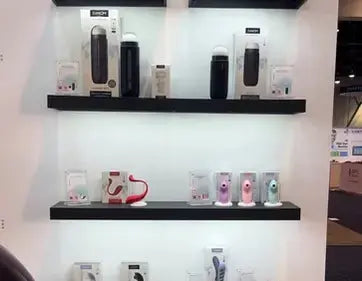
SVAKOM causó un gran revuelo en CES 2024 con su exhibición de la Serie Connexion. Los entusiastas de los juguetes sexuales y la tecnología se agolparon en el stand para ver las últimas y mejores innovaciones de la industria. Los productos de SVAKOM siempre han sido conocidos por su calidad, diseño y funcionalidad, y el lanzamiento de este año no decepcionó. En esta publicación del blog, profundizaremos en los detalles de la Serie Connexion y por qué fue el tema de conversación del evento.
Disfrutar de experiencias sexuales en el baño, en solitario o en pareja, puede abrirte a nuevas posibilidades y sensaciones. Incorpora los juguetes sexuales adecuados en el escenario y podrás obtener una comprensión más profunda de tus deseos y necesidades íntimas, lo que te gusta y lo que no, dónde te encuentras y adónde te gustaría ir.
¡Estamos emocionados de compartir la emocionante noticia de que SVAKOM ha sido nominada en un total de siete categorías prestigiosas en los próximos Premios XBIZ 2024! Como líder en la industria de productos de placer, nos sentimos honrados de ser reconocidos en varios segmentos que destacan nuestro compromiso con la innovación, la calidad y la satisfacción del cliente.
En muchas partes del mundo, ahora se acepta cada vez más que el género existe en un espectro, donde las personas experimentan diferentes grados y combinaciones de rasgos estereotipados atribuidos al sexo masculino o femenino.
Nos sentimos honrados y agradecidos por el reconocimiento de los Premios EAN Erotix, y queremos agradecer a nuestros seguidores desde el fondo de nuestro corazón. Este galardón reafirma nuestro compromiso con la innovación, la calidad y el bienestar sexual, y continuaremos trabajando duro para estar a la altura de este honor.
El esquivo orgasmo del punto G. A algunos cuerpos con vagina les resulta fácil y a otros requiere más esfuerzo, mientras que el resto puede que no la hayan experimentado. Entonces, ¿a qué se debe todo este alboroto? Y, para aquellos que quieren tener un orgasmo en el punto G, ¿por dónde empezar?
El 10 de octubre, el presidente de la República Dominicana, Danilo Medina, anunció que el país se uniría a la iniciativa del Banco Interamericano de Desarrollo (BID) para crear una red de seguridad social universal.
El suelo pélvico es un grupo crucial de músculos que brinda soporte a varios órganos de la región pélvica, incluidos la vejiga, el útero y el recto. Mantener la fuerza del suelo pélvico es esencial para la salud general y puede ayudar a prevenir problemas como la incontinencia urinaria y el prolapso de órganos pélvicos.
Al educarse, desafiar los estereotipos, promover el consentimiento, apoyar la comunicación abierta y fomentar una cultura de respeto e inclusión, puede contribuir a una sociedad más sexualmente positiva.