Bisexual generally describes attraction to more than one gender, while pansexual describes attraction regardless of gender. The two labels overlap, and some people identify with both. Bisexual people may also experience attraction without gender being a defining factor. Ultimately, neither label has one fixed definition that applies to everyone.
Bisexual generally describes attraction to more than one gender, including men, women, and non-binary people. It does not mean being equally attracted to all genders, nor does someone need relationship or sexual experience with different genders to identify as bisexual. The term has a long history and remains widely recognized.
Some bisexual people feel that gender plays a role in their attraction, while others do not. Both experiences can fit within the bisexual label.
What Does Pansexual Mean?
Pansexual typically describes attraction to people regardless of gender. For many pansexual people, gender is not a defining factor in who they find attractive. This can include attraction to men, women, non-binary people, and people of other gender identities.
Some people choose the pansexual label because it clearly expresses that gender does not limit their attraction. Others with similar experiences prefer the bisexual label. Both are personal choices.
Bisexual vs. Pansexual: Differences and Overlap
The differences between bisexual and pansexual are often more about personal understanding and emphasis than strict definitions:
Attraction: Bisexual generally describes attraction to more than one gender, while pansexual describes attraction regardless of gender.
The role of gender: Some bisexual people consider gender relevant to their attraction, while many pansexual people describe gender as less important or irrelevant. However, these experiences can overlap.
Personal identity: Bisexual is a long-established and widely recognized label. Pansexual offers another way for people to describe their experience of attraction.
Neither label is inherently more inclusive than the other. Bisexuality can include attraction to people of all genders, including transgender and non-binary people.
Some people choose pansexual because it explicitly communicates attraction regardless of gender. Bisexuality can also include attraction to non-binary people and people of all genders. Neither label is inherently more inclusive.
Some people may relate to both descriptions and use both labels. Others prefer one term because it better reflects how they understand their attraction or how they want to describe themselves. Some may choose broader terms such as queer or bi+. There is no single right label, and no one needs to fit neatly into a category.
What Is the Bisexual Umbrella?
The bisexual umbrella, sometimes called the bi umbrella, is a broad term used to describe identities involving attraction to more than one gender. It can include bisexual, pansexual, omnisexual, and other related identities. People who use these labels may describe their experiences of attraction differently, but their identities can share common ground.
Not everyone who identifies as pansexual considers themselves part of the bisexual umbrella, and not everyone who identifies as bisexual uses the term as an umbrella. The concept is a way to recognize shared experiences, not a rule that determines how someone should identify.
Common Questions About Labels and Experience
Do you need equal attraction to different genders to be bisexual? No. Attraction does not have to be balanced or simultaneous.
Do you need to have dated or had sex with people of different genders? No. Orientation describes capacity for attraction, not a checklist of past partners.
Does your current partner's gender change your sexual orientation? No. Being in a relationship with someone of a particular gender does not change whether you identify as bisexual or pansexual. Your sexual orientation is not determined by your current relationship.
For more information about bisexuality and common misconceptions, the Bisexual Resource Center offers additional educational resources.
How to Talk About It Respectfully
Respect the label someone uses for themselves rather than assigning one to them.
If you are unsure how someone identifies, ask respectfully instead of making assumptions.
Understand that some people's feelings about attraction or identity may evolve over time.
Avoid comparing labels or suggesting that one is more valid or inclusive than another.
Yes. Some people identify with both labels because they find that both reflect their experiences of attraction.
Is pansexual the same as bisexual?
They overlap significantly. The difference is usually in emphasis—whether gender is seen as relevant to attraction—rather than a clear dividing line.
Do I have to choose one label?
No. Labels are optional. Some people use them for clarity; others prefer not to use any.
Is one term more inclusive than the other?
No. Neither label inherently excludes trans or non-binary people. Both can describe attraction to people of all genders.
Can sexual orientation change over time?
For some people, their understanding of their attraction or the label they use may evolve over time. Others feel that their orientation remains consistent throughout their lives. Both experiences are valid.
This article is intended for informational and educational purposes. Sexual orientation is personal, and everyone has the right to define their own identity in the way that feels right to them.
Jamie Lane Jamie Lane is a passionate sex educator and sexual wellness advocate dedicated to pleasure-focused, shame-free sexuality. With years of experience in counseling, workshops, and content creation, she empowers individuals and couples to confidently explore body autonomy, intimacy, and pleasure. Using a science-based and inclusive approach, Jamie shares honest sex toy insights and evidence-backed tips for deeper connections. Join her in breaking taboos and embracing a more fulfilling sex life.
Au début des années 1990, diverses organisations bisexuelles ont commencé à se former, notamment aux États-Unis. Cependant, la journée internationale a été établie en 1999 lors de la conférence annuelle de l'Association internationale des lesbiennes, gays, bisexuels, trans et intersexes (ILGA), grâce à l'initiative de trois activistes bisexuels : Wendy Curry, Michael Page et Gigi Raven Wilbur.
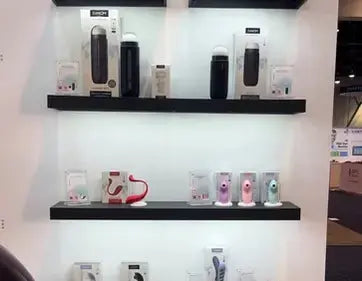
SVAKOM a fait sensation au CES 2024 avec sa présentation de la Connexion Series. Les passionnés de jouets sexuels et de technologie se sont précipités vers le stand pour découvrir les dernières innovations de l'industrie. Les produits de SVAKOM ont toujours été connus pour leur qualité, leur design et leur fonctionnalité, et la sortie de cette année n'a pas déçu. Dans cet article de blog, nous allons examiner les spécificités de la Connexion Series et pourquoi elle a été le sujet de conversation du salon.
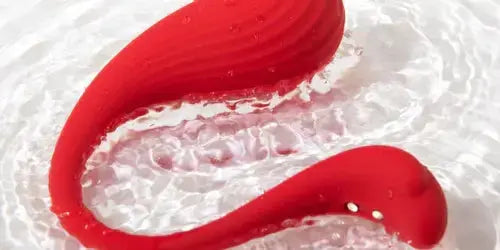
Profiter d'expériences sexuelles dans le bain, en tant que célibataire ou couple, peut vous ouvrir à de nouvelles possibilités et sensations. Intégrez les bons jouets sexuels dans le scénario et vous pourrez mieux comprendre vos désirs et besoins intimes, vos goûts et dégoûts, où vous en êtes et où vous aimeriez aller.
Nous sommes ravis de partager la nouvelle excitante que SVAKOM a été nommée dans un total de sept catégories prestigieuses aux prochains XBIZ Awards 2024 ! En tant que leader dans l'industrie des produits de plaisir, nous sommes honorés d'être reconnus dans divers segments qui mettent en avant notre engagement envers l'innovation, la qualité et la satisfaction client.
Dans de nombreuses régions du monde, il est désormais de plus en plus accepté que le genre existe sur un spectre, où les gens éprouvent différents degrés et combinaisons de traits attribués de manière stéréotypée au sexe masculin ou féminin.
Nous sommes humbles et reconnaissants pour la reconnaissance des EAN Erotix Awards, et nous tenons à remercier nos supporters du fond du cœur. Cette distinction réaffirme notre engagement envers l'innovation, la qualité et le bien-être sexuel, et nous continuerons à travailler dur pour être à la hauteur de cet honneur.
L'orgasme du point G insaisissable. Il vient facilement à certains corps avec un vagin et demande plus d'efforts pour d'autres, tandis que d'autres n'en ont peut-être jamais fait l'expérience. Alors, pourquoi tout ce tapage ? Et pour ceux qui souhaitent avoir un orgasme du point G, par où commencer ?
Le plancher pelvien est un groupe de muscles crucial qui soutient divers organes dans la région pelvienne, y compris la vessie, l'utérus et le rectum. Maintenir la force du plancher pelvien est essentiel pour la santé globale et peut aider à prévenir des problèmes tels que l'incontinence urinaire et le prolapsus des organes pelviens.
En vous éduquant, en remettant en question les stéréotypes, en promouvant le consentement, en soutenant une communication ouverte et en favorisant une culture de respect et d'inclusivité, vous pouvez contribuer à une société plus positive sur le plan sexuel.