One of the most common concerns couples face is having different levels of sexual desire.
Maybe your partner wants sex more often than you do.
Or perhaps you find yourself turning down intimacy more frequently than you'd like.
If you've ever wondered, "Why is my sex drive lower than my partner's?" you're not alone.
Differences in libido are incredibly common, and they don't automatically mean there's something wrong with you or your relationship.
Understanding why sex drives vary can help couples navigate these differences with less frustration and more compassion.
Is It Normal for Couples to Have Different Sex Drives?
Absolutely.
It's rare for two people to have perfectly matched libidos all the time.
Sex drive naturally fluctuates due to factors such as:
Stress
Sleep quality
Hormones
Mental health
Physical health
Relationship dynamics
Life circumstances
Even couples who start with similar levels of desire may experience changes over time.
The goal isn't necessarily to have identical sex drives—it's to find a balance that works for both partners.
Common Reasons Your Sex Drive May Be Lower
Stress and Mental Load
One of the biggest libido killers is stress.
When your brain is focused on work deadlines, finances, family responsibilities, or daily tasks, sexual desire often takes a back seat.
Many people find it difficult to switch from problem-solving mode to intimacy mode.
If you've been feeling overwhelmed lately, your lower sex drive may be less about attraction and more about mental exhaustion.
Lack of Sleep
Sleep affects almost every aspect of health, including libido.
Poor sleep can:
Reduce energy levels
Affect mood
Disrupt hormones
Lower sexual desire
Sometimes improving sleep quality can have a surprisingly positive impact on intimacy.
Hormonal Changes
Hormones play a major role in sexual desire.
Factors such as:
Menstrual cycles
Pregnancy
Postpartum recovery
Perimenopause
Menopause
Testosterone levels
can all influence libido.
Changes in desire don't necessarily indicate a problem—they may simply reflect changes happening within the body.
Relationship Factors
Sex drive doesn't exist in a vacuum.
Relationship dynamics can influence desire as well.
For example:
Unresolved conflict
Feeling disconnected
Lack of quality time
Communication issues
Resentment
can all affect intimacy.
When emotional connection suffers, sexual desire sometimes follows.
Responsive vs Spontaneous Desire
Many people assume sexual desire should appear out of nowhere.
In reality, that's not how everyone experiences it.
Some people have spontaneous desire, meaning they feel interested in sex before any physical or emotional stimulation occurs.
Others experience responsive desire, meaning desire develops after intimacy, affection, flirting, or physical touch has already begun.
Understanding this difference can be a game changer for couples.
You may not have a "low" libido at all—you may simply experience desire differently than your partner.
Does Having a Lower Sex Drive Mean You Don't Love Your Partner?
Not at all.
Many people worry that reduced desire means they're no longer attracted to their partner.
In most cases, that's not true.
Sexual desire is influenced by many factors beyond attraction.
You can deeply love someone while still experiencing periods of lower libido.
Avoid assuming that desire and love are always directly connected.
How Different Sex Drives Affect Relationships
Desire differences can create tension when couples begin interpreting them personally.
The higher-desire partner may think:
"They're not attracted to me."
"They don't want me anymore."
Meanwhile, the lower-desire partner may feel:
Guilty
Pressured
Frustrated
Misunderstood
Without communication, both partners can end up feeling rejected.
This is why discussing intimacy openly is so important.
How to Navigate Different Libidos
Talk About It
Many couples avoid conversations about sex because they feel awkward.
However, honest communication often reduces tension.
Try discussing:
Your needs
Your expectations
Your concerns
What helps you feel connected
Approach the conversation as a team rather than treating one partner as the problem.
Focus on Intimacy, Not Just Sex
Physical connection doesn't always have to lead directly to intercourse.
Consider:
Cuddling
Kissing
Massage
Holding hands
Spending quality time together
Building emotional and physical intimacy can sometimes help desire develop naturally.
Explore What Helps You Feel Aroused
If you're someone with responsive desire, creating opportunities for arousal may be helpful.
This might include:
Flirting throughout the day
Extended foreplay
Romantic date nights
Trying new experiences together
Many couples also find that introducing new forms of stimulation can help reignite curiosity and excitement.
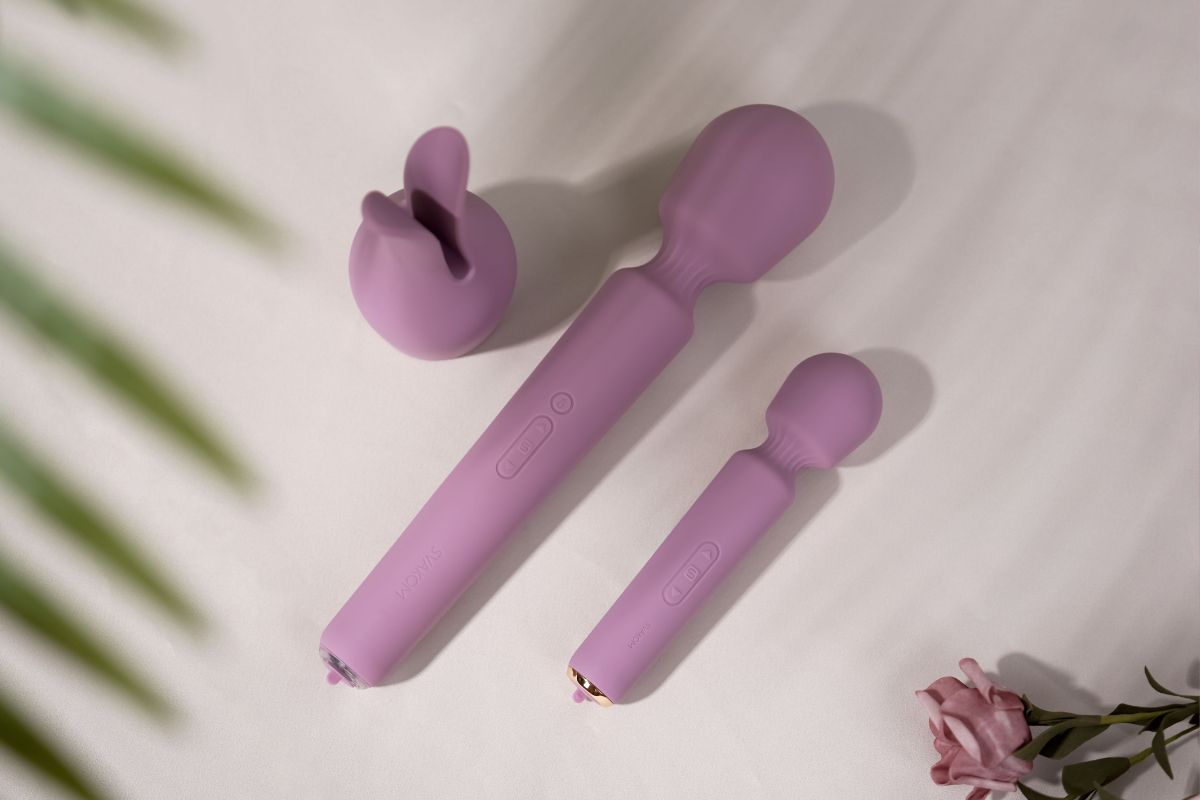
For women who enjoy external stimulation, Pulse Lite Neo can be a great addition to solo exploration or foreplay. Its compact design and targeted clitoral stimulation can help users better understand what types of sensations they enjoy, making it easier to communicate those preferences with a partner.
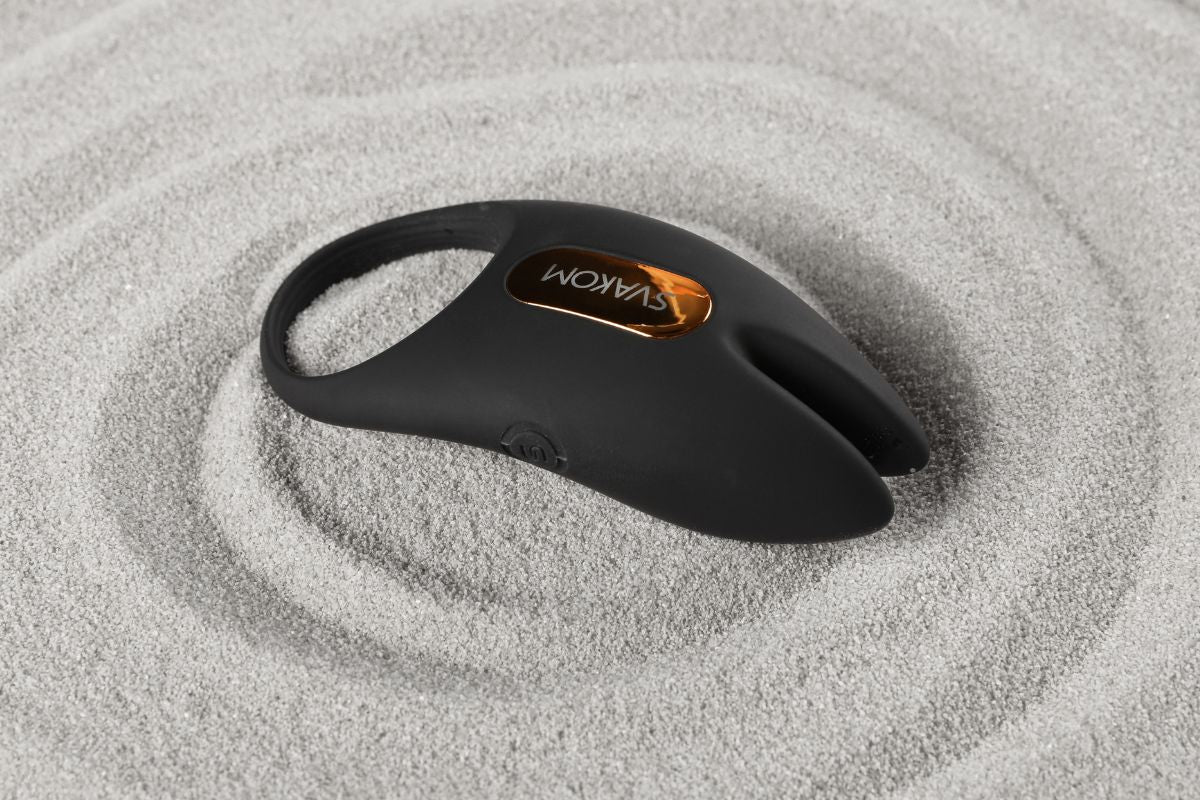
Couples looking to add more variety to their intimate routine may also enjoy Duoglow. Featuring dual stimulation and versatile ways to play, it can be used during foreplay or partnered exploration to introduce new sensations and encourage conversations about pleasure, desire, and what feels good for each partner.
The goal isn't to force desire—it's to create an environment where desire has room to grow.
Avoid Keeping Score
Relationships are not competitions.
Trying to track who initiates more often or who says yes more frequently usually creates resentment.
Focus on understanding each other's experiences rather than assigning blame.
When Should You Seek Professional Help?
If changes in libido are causing significant distress, it may be worth speaking with:
A doctor
A therapist
A sex therapist
This can be especially helpful if the change is sudden, severe, or accompanied by other physical or emotional symptoms.
The Bottom Line
If you've been wondering, "Why is my sex drive lower than my partner's?", the answer may be more complex than you think.
Differences in libido are common and can be influenced by stress, sleep, hormones, relationship dynamics, and the way people experience desire.
Rather than viewing mismatched sex drives as a problem to solve, it can be helpful to see them as an opportunity for better communication, understanding, and connection.
With patience, honesty, and a willingness to work together, couples can navigate desire differences and build a satisfying intimate relationship that works for both partners.
Is it normal to have a lower sex drive than your partner?
Yes. Differences in libido are extremely common in relationships. Sexual desire naturally fluctuates over time due to factors such as stress, sleep, hormones, health, life circumstances, and relationship dynamics. Having a lower sex drive than your partner does not automatically indicate a problem. :contentReference[oaicite:0]{index=0}
Why has my sex drive suddenly decreased?
A sudden decrease in sex drive can be caused by many factors, including stress, fatigue, hormonal changes, certain medications, physical health conditions, mental health challenges, or relationship issues. If the change is significant or persistent, it may be worth discussing with a healthcare professional. :contentReference[oaicite:1]{index=1}
Does having a low sex drive mean I'm no longer attracted to my partner?
Not necessarily. Sexual desire is influenced by many factors beyond attraction. You can deeply care for, love, and be attracted to your partner while still experiencing periods of lower libido due to stress, exhaustion, emotional factors, or physical changes.
How can couples manage mismatched sex drives?
Open communication is one of the most effective ways to navigate different libidos. Couples can discuss their needs, focus on emotional intimacy, explore non-sexual forms of connection, and work together to find solutions that feel comfortable for both partners. :contentReference[oaicite:2]{index=2}
Can sex toys help when partners have different libidos?
For some couples, sex toys can introduce novelty, increase arousal, and encourage conversations about pleasure. Products like Pulse Lite Neo can help users explore what types of stimulation they enjoy, while Duoglow can add variety to foreplay and partnered play, helping couples discover new ways to connect intimately.
When should I seek professional help for low sex drive?
If a decrease in libido is causing distress, affecting your relationship, or is accompanied by other physical or emotional symptoms, consider speaking with a healthcare provider, therapist, or sex therapist. They can help identify potential physical, emotional, or relationship-related causes and recommend appropriate support. :contentReference[oaicite:3]{index=3}
ABOUT THE AUTHOR
Ivy H.
Relationships & Sexual Wellness Writer
RelationshipsDatingSexual WellnessModern Intimacy
Ivy Huang is a relationship and sexual wellness writer specializing in modern dating, intimacy, and personal well-being. With years of experience creating educational content for global sexual wellness brands, she helps readers navigate relationships, communication, pleasure, and self-discovery with confidence and clarity.
Through her writing, Ivy explores topics ranging from dating trends and attachment styles to sexual health and emotional intimacy. She is passionate about making conversations around relationships and sexuality more approachable, inclusive, and evidence-based.
Her mission is to empower individuals to build healthier connections, embrace their authentic desires, and cultivate fulfilling relationships at every stage of life.