Sex After 30, 40, and Beyond: A New Kind of Confidence
by Giulia M.
We grow up absorbing the idea that our “sexual peak” happens in our 20s. Culture frames youth as the golden era of desire, promising more energy, spontaneity, and novelty. But luckily, sexual wellness doesn’t follow a simple rise-and-fall curve. It evolves.
While sex in our 20s is driven by the thrill of trying new things, in our 30s and beyond it becomes less about comparison and more about intention. Instead of wondering “Am I doing this right?” the question becomes, “Does this feel good for me?” Body literacy improves. Communication gets easier. Performance anxiety slowly gives way to confidence.
“Good sex” stops being measured by frequency or intensity alone. It becomes more about satisfaction, connection, and depth. Less about proving something, more about experiencing it to its fullest.
In other words, rest assured: pleasure doesn’t peak at a specific age. It matures with you.
The Body: How Arousal Shifts Over Time
You may think sex changes as you age simply because routine and stress get in the way. However, there’s more going on than that. While the body doesn’t stop responding to pleasure over time, the way it responds does change.
Arousal in your 20s
It often feels fast and automatic. Hormone levels are typically more stable and higher overall, particularly estrogen and testosterone, which influence lubrication, sensitivity, and desire. The body reacts quickly, and desire can spark almost instantly.
Arousal in your 30s
As the years pass, hormonal fluctuations can become more noticeable. Stress hormones like cortisol can compete with sexual hormones, especially during demanding career or parenting phases. This can significantly influence your libido, so you might go through periods when desire is low or almost nonexistent.
Arousal in your 40s and beyond
Shifts in estrogen and progesterone can greatly affect vaginal lubrication, elasticity, and sensitivity. Testosterone, which is present in all genders, also gradually declines, influencing your libido.
Does this mean you’ll no longer want sex? Not at all. Slower does not mean weaker. Arousal may become less “instant” and more responsive. For example, instead of desire showing up before touch, it may build during touch.
That’s why you may notice that setting the right conditions matters more than ever: more warm-up time, less rushing, and stimulation that matches what your body responds to now. For some, that also includes exploring pleasure tools that support slower build-up, deeper stimulation, or easier connection—without taking anything away from intimacy.
The Brain: Stress, Confidence, and Desire
If the body changes with age, the brain changes even more. And that MATTERS.
In our 20s, new partners, experiences, and even environments activate the so-called brain’s reward system, flooding the body with dopamine and heightening anticipation.
In our 30s, life becomes more complex. Career pressure, financial responsibilities, parenting, and the constant mental load can dampen libido. Stress hormones don’t just affect mood, they directly influence sexual desire, too. There’s less space for erotic fantasies and spontaneous sex. But it’s not dysfunction. It’s context. And it’s normal.
There is a bright side: by our 40s and beyond, something interesting often happens. Spontaneous desire may not be as frequent as in early adulthood, but a different kind of desire often takes the lead: intentional desire. In other words, you may not feel turned on out of nowhere, but when you choose to engage, you can access a deeper, more grounded kind of arousal.
Intimacy: From Performance to Presence
We all know the quiet checklist many of us carry in our 20s: Am I attractive enough? Am I taking too long? Was that impressive for him/her? The focus drifts toward performance. Being present is hard.
With time (thankfully) we learn to become more attuned to our sensations, the rhythm, and the connection with our partner. Communication becomes central, and what once felt awkward to say becomes easier: slower, softer, harder, not like that, more of this. It’s vulnerable, and it’s powerful. Because when you feel safe expressing your needs, and hearing your partner’s, you can actually experience the kind of sex you wish to have.
We all romanticize our 20s until we understand what becomes possible beyond 30 and 40. Sex isn’t a test of performance, timing, or control. It can be layered pleasure. It can be self-knowledge. And it can be a shared experience that touches your body, your mind, and the connection you’re building.
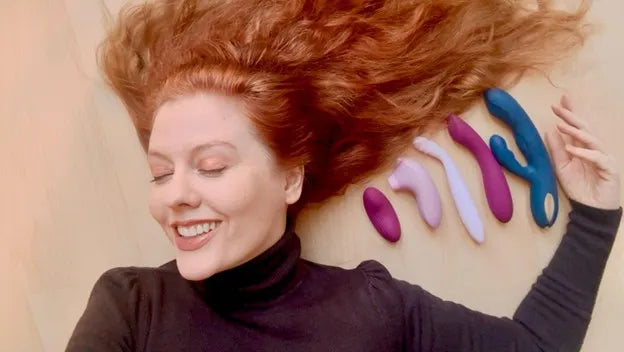
And sometimes, exploration also includes tools that help you discover new sensations or adapt to the rhythm your body prefers now. Pleasure technology has evolved a lot in recent years, focusing less on intensity for its own sake and more on comfort, versatility, and connection.
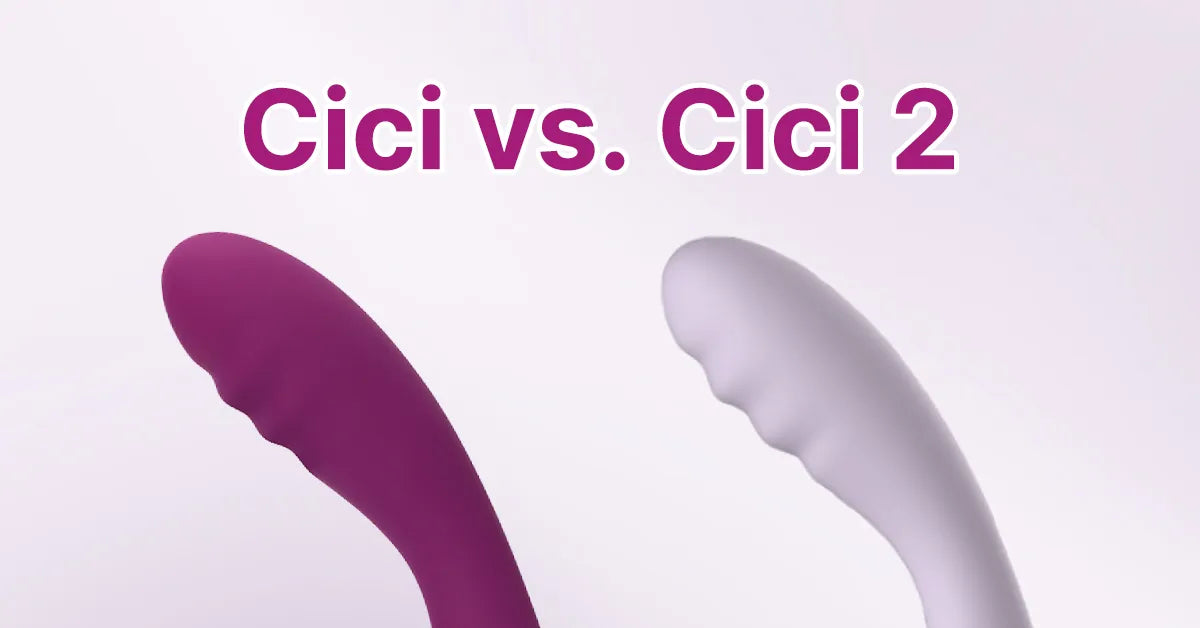
For internal stimulation, something slim like Cici 2, a gently curved G-spot vibrator, can feel much more comfortable than bulkier designs. If you prefer external stimulation, Beatrice works well during foreplay and can be used on different erogenous zones like the clitoris or nipples.
Some toys combine both sensations. Erica, for example, is an L-shaped wearable vibrator designed for internal and clitoral stimulation at the same time, and it can even be controlled through an app for interactive play.
For male pleasure, Sam Neo 2 Pro offers a more immersive solo experience with suction, vibration, and heating features. And if you prefer something simple and precise, compact bullet vibrators like Tulip or Phoenix Neo 2 are easy to use and great for targeted stimulation.
In the end, whether you explore with a partner, on your own, or with a little help from technology, the most meaningful shift is the same: moving away from performance and back toward presence.