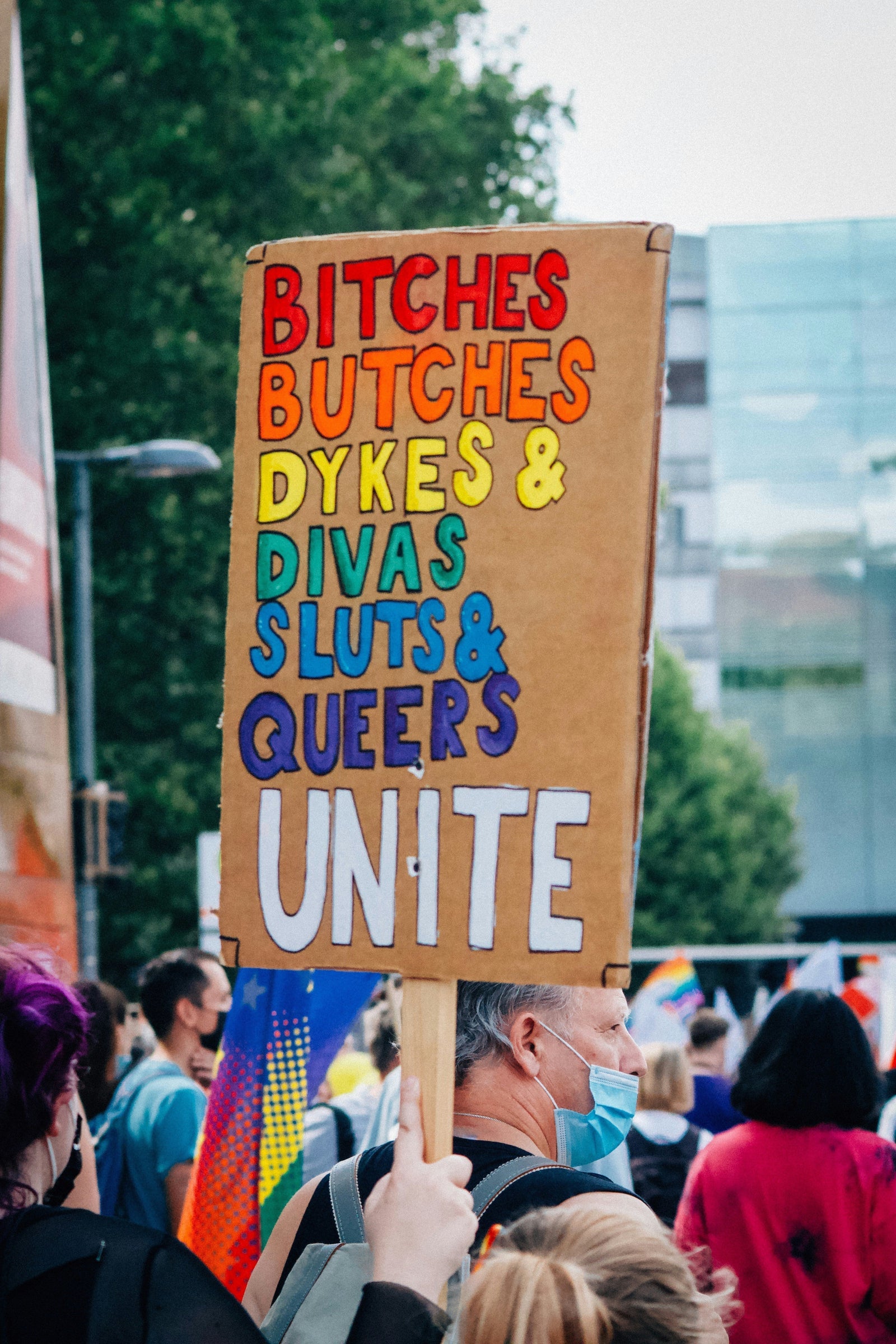
Bisexuality Awareness Day, also known as Celebrate Bisexuality Day or Bi Visibility Day, is celebrated every year on September 23. But how did this day come to be? Let’s take a quick trip back in time.
“The bisexual community has grown in strength, but in many ways we remain invisible.” – Gigi Raven Wilbur
In the 1990s, bisexual organizations began popping up across the United States, but bisexual people still felt like the “invisible letter” in the LGBTQ+ alphabet soup. Enter Wendy Curry, Michael Page, and Gigi Raven Wilbur—three passionate activists who decided enough was enough. At the 1999 International Lesbian, Gay, Bisexual, Trans, and Intersex Association (ILGA) Conference, they officially launched Bisexuality Awareness Day to shine a spotlight on the bisexual community.
Why September 23? Well, it’s the birthday of both Gigi Raven Wilbur and the legendary Freddie Mercury. If anyone could rock bisexual visibility, it was Freddie. The date is a nod to icons and activists alike.
Despite the progress since then, bisexual people still face “bi-erasure”-the tendency to overlook or invalidate bisexual identities, even within LGBTQ+ spaces. As Gigi Raven Wilbur once put it, “The bisexual community has grown in strength, but in many ways, we remain invisible.” That’s why Bisexuality Awareness Day is so important: it’s a chance to be seen, heard, and celebrated.
Did You Know?
About half of the LGBTQ+ community identifies as bisexual. That’s a lot of bi pride!
The bisexual pride flag was designed by Michael Page in 1998: just a year before Bisexuality Awareness Day was born.
Famous bisexual icons include Freddie Mercury, Lady Gaga, David Bowie, and Megan Fox. (Talk about a star-studded lineup!)
Busting Myths About Bisexuality
Let’s set the record straight (pun intended) on some common myths about bisexuality:
Myth 1: “It’s just a phase.”
Sure, some people may explore different labels before finding what fits, but bisexuality is a valid, lifelong orientation for many. It’s not a layover on the way to Gay Town or Straightville.
Myth 2: “Bisexual people are just confused or afraid to come out as gay or lesbian.”
Nope. Bisexuality means being attracted to more than one gender, and that’s not confusion—that’s just how some people are wired. Attraction can shift and change, but that doesn’t make it less real.
Myth 3: “You stop being bisexual if you date someone of the opposite gender.”
This one’s a classic. Bisexuality isn’t defined by your current relationship status. Whether you’re dating, single, or somewhere in between, your orientation is still valid.
Sadly, these myths can lead to bisexual people feeling invisible or pressured to “pick a side.” But the truth is, bisexuality is as real and resilient as any other identity.
Why Bisexuality Deserves Respect
Bisexuality isn’t a phase, a fad, or a halfway point. It’s a legitimate sexual orientation, and every bisexual person experiences it in their own unique way. Respecting bisexuality means busting stereotypes, challenging biphobia, and making room for bi voices in every conversation.
Visibility matters. When bisexual people are seen and celebrated, it encourages others to live authentically and helps create a world where everyone can love who they love—without fear or apology.
So, on Bisexuality Awareness Day (and every day), let’s show some love for the B in LGBTQ+. Because everyone deserves to be seen for who they are—no matter who makes their heart skip a beat.
How to Be a Brilliant Bi Ally
Want to support your bi friends, family, or colleagues? Here’s how to be a top-tier ally:
Don’t assume someone’s orientation based on their partner.
Challenge biphobic jokes or stereotypes when you hear them.
Celebrate Bi Visibility Day and share bi-positive content.
Listen to and uplift bisexual voices—everyone loves a little extra support!
We grow up absorbing the idea that our “sexual peak” happens in our 20s. Culture frames youth as the golden era of desire, promising more energy, spontaneity, and novelty. But luckily, sexual wellness doesn’t follow a simple rise-and-fall curve. It evolves.
In a recent article, we’ve explored what squirting is, what it isn’t, and how many myths still circulate around the topic. Good news? Squirting isn’t a goal to achieve, but an experience that can result from the simple pursuit of pleasure. Bad news? If you’re pressuring yourself into experiencing it, chances are it’s going to be elusive.
Curious about what lube is used for? This guide explains the benefits of personal lubricant for sexual comfort, toy play, and intimacy. Learn why water-based lube is the safest choice for most people and silicone toys
Whether you’re looking for answers for yourself or for your partner, let’s start with one clear point: difficulty reaching orgasm is common, and in most cases, it’s not a sign that something is wrong.
Choosing your first sex toy doesn’t have to feel overwhelming. Discover how to explore safely, confidently, and at your own pace—with guidance designed to support, not pressure.
Discover evidence-based fingering techniques for mind-blowing pleasure. Learn beginner-to-advanced methods for clitoral and G-spot stimulation, essential safety steps, common mistakes, and how the SVAKOM Echo 2 finger vibrator elevates manual play. Consent-first, people-focused advice for couples and solo explorers.
A decrease in sexual desire doesn’t mean something is wrong. Discover how stress, fatigue, and your nervous system influence libido—and how to reconnect gently, without pressure.
At a party recently, a man told me he spent over $100 on a sex toy to reignite his marriage — only for his wife to say she didn’t like it. The disappointment quickly turned into resentment.
That moment made it clear: the problem isn’t usually the toy. It’s the pressure we put on one product to fix everything, when most of us barely know our own desires.
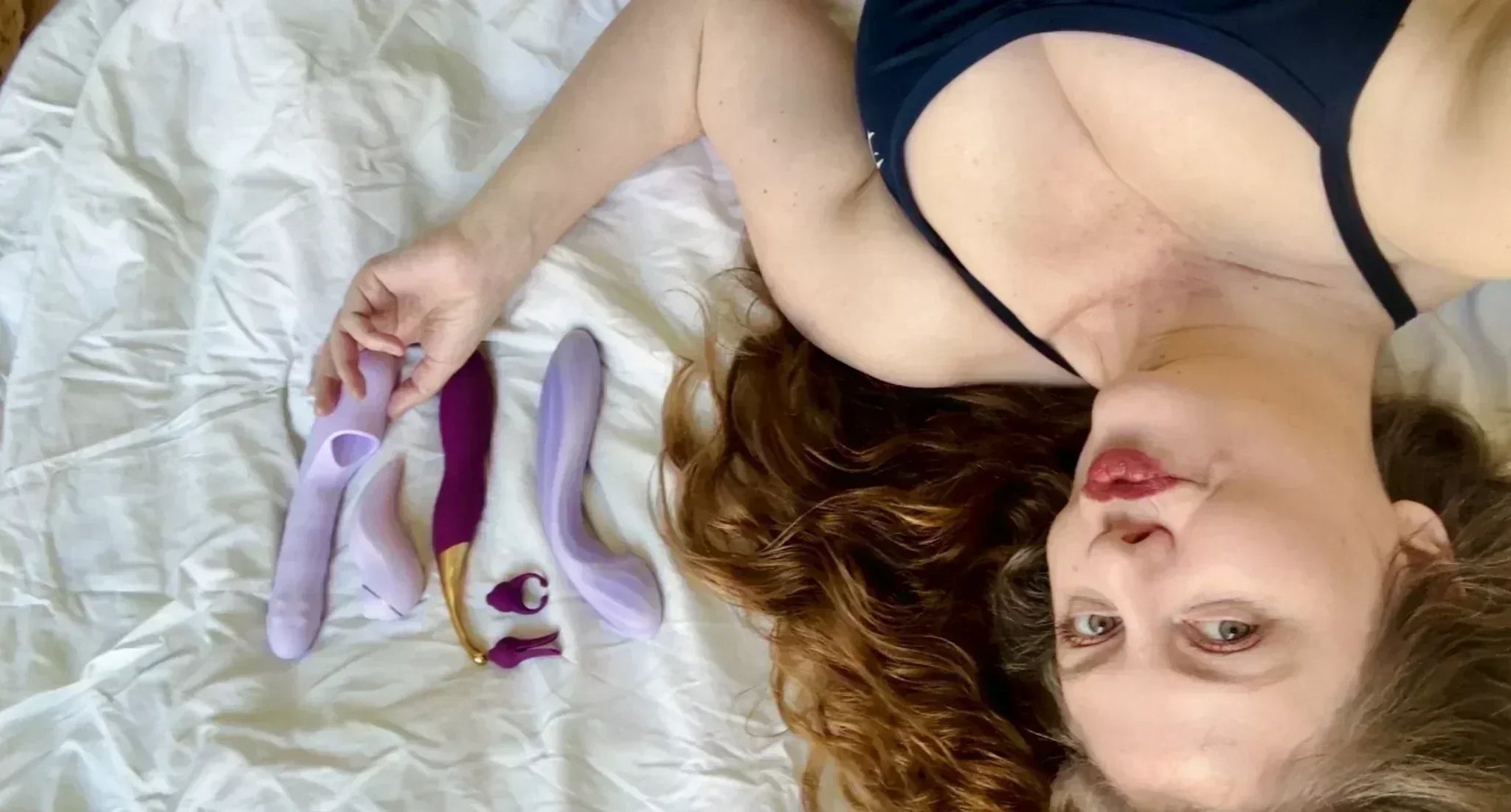
Versatile pleasure products change everything. One toy, many sensations. If one doesn’t work, another might. No fear of choosing “wrong” — just joyful exploration.
From DuoGlow’s 5-in-one design to Beatrice’s full-body wand and Margot’s clever G-spot curve, versatility turns pleasure into discovery… and removes the pressure for good.
Anxiety doesn’t just affect the mind: it impacts the body and sexual desire, too. Discover how your nervous system influences pleasure, and how to reconnect with compassion and awareness.