Foreplay Tips That Actually Help With Arousal and Connection
by Jamie Lane
Foreplay is often treated as a brief warm-up before the “main event.” In my clinical work, I see something different: the quality of arousal, comfort, and connection often depends more on what happens early on than on what comes next. Good foreplay is less about impressive technique and more about attention, pacing, and responding to the body in front of you.
Research supports the value of giving this phase enough time. In one study of heterosexual couples, both men and women reported an ideal foreplay length of about 18–19 minutes, yet actual foreplay was often several minutes shorter. Miller and Byers (2004) found a clear gap between what people wanted and what they typically experienced. While the relationship between foreplay duration and orgasm consistency is not always straightforward, adequate time for arousal remains one of the most practical ways to improve comfort, lubrication, and responsiveness.
Below are some practical approaches that can help support arousal and connection.
1. Slow Down With Kissing and Facial Touch
Unhurried kissing can help the body relax and gradually become more aroused. Slow, varied contact — lips, jawline, neck, just below the ear — gives both people time to settle into sensation. Light touch around the face and scalp can also lower tension before any genital contact begins.
When kissing is treated as an activity in itself rather than only a gateway, the rest of the encounter often feels less pressured.
2. Whole-body, non-genital touch
Moving straight to the breasts or genitals can make foreplay feel mechanical. Expanding attention to the neck, inner arms, lower back, sides of the torso, inner thighs, and backs of the knees frequently increases overall responsiveness.
Use different pressures and speeds. Some areas respond better to light, almost teasing strokes; others prefer firmer, slower contact. The goal is to notice what feels good on that particular day rather than to follow a fixed sequence.
3. Chest and Breast Stimulation
For many people, the chest and nipples become highly responsive once the body is already warming up. Using your hands and mouth together, varying pressure, and starting with the surrounding breast tissue can feel more comfortable than going straight to intense nipple stimulation.
Sensitivity can change with arousal level, hormonal fluctuations, and stress. Checking in verbally or watching breathing and movement keeps the touch matched to the moment.
4. Take Your Time With Genital Touch
When hands move to the genitals, the most useful principle is matching intensity to current arousal. Early, direct, high-speed stimulation can feel overwhelming or numbing for some people. Starting with broader contact, slower rhythms, and less pressure, then gradually becoming more focused, can give the body more time to adjust to the sensation.
Lubrication matters here. A good water-based lubricant reduces friction and lets the hand stay longer without discomfort. For more information on supporting natural lubrication, see our guide to staying naturally lubricated.
5. Oral stimulation as exploration
Oral sex during foreplay works best when treated as exploration rather than as a performance focused on reaching a specific outcome. Varying pressure, using the flat of the tongue versus the tip, pausing, and combining with hand support often feels better than continuous high-intensity contact.
Many people with vulvas find that steady clitoral stimulation helps them maintain arousal. Keeping that contact consistent — whether with mouth, hand, or later a toy — helps prevent the common drop in sensation that occurs when stimulation becomes intermittent.
6. Grinding and pressure-based contact
Body-to-body grinding creates broad, rhythmic pressure that many people find deeply arousing. It can be done clothed or unclothed, in lap-sitting, side-lying, or face-to-face positions.
A related technique, sometimes called syntribation — involves using pressure and friction against the vulva and clitoris. Some people use it alone; others incorporate the same principle with a partner. Both methods emphasize pressure and rhythm over precise technique.
7. Introducing a toy without losing connection
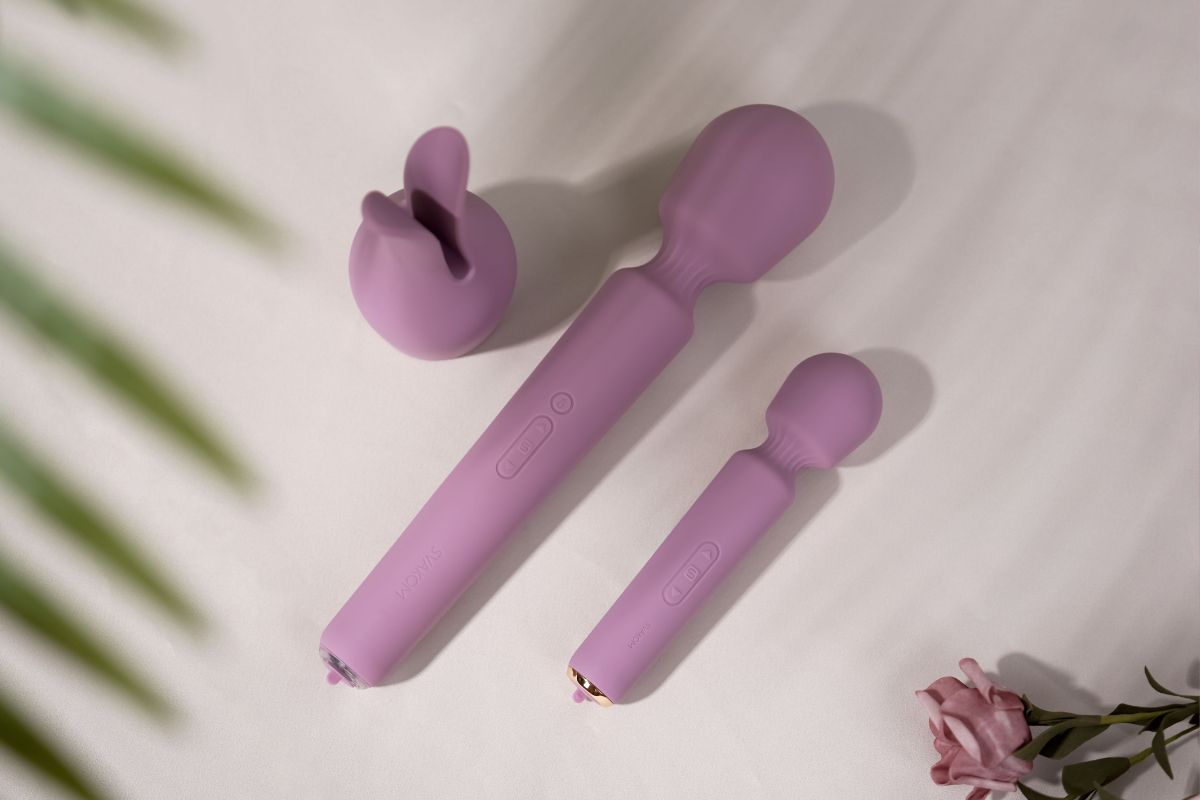
A vibrator can be useful in foreplay when hands tire, when consistent stimulation is needed, or when one partner wants a specific intensity that is hard to maintain manually. The key is that the toy supports the interaction rather than replacing attention.
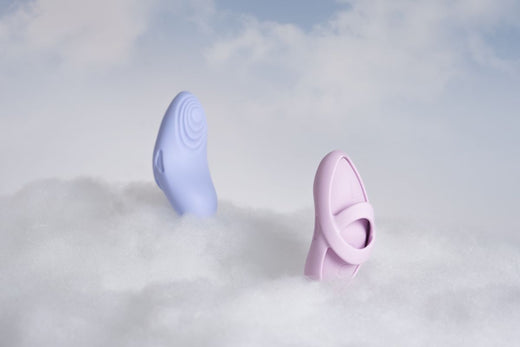
Start on lower settings. Keep talking or making eye contact. Many couples find that a compact external vibrator or wearable option works well because it leaves hands free for other touch. For more guidance on choosing a pleasure device in the female sex toys collection. For more on understanding and building sexual desire, see our guide to increasing sexual arousal.
8. Transitions that protect arousal
The move from extended foreplay into penetration or more intense activity is a frequent point where sensation drops. Slowing that transition, continuing the type of stimulation that was working, and checking in verbally help maintain what has already been built.
Positions that allow ongoing clitoral contact (for example woman-on-top or side-lying with hand or toy access) often prevent the abrupt change in sensation that leaves one partner less aroused than the other.
What the research and clinical experience both suggest
Some studies, including work published in The Journal of Sexual Medicine, have found that when foreplay and intercourse duration are examined together, intercourse duration may be more strongly associated with the likelihood of orgasm during partnered sex than foreplay duration alone. That does not mean foreplay is unimportant. It means that quality of stimulation, relationship factors, and adequate arousal time all interact.
In practice, the couples I see improve most when three conditions are present:
Enough time for the body to respond
Low performance pressure
Ongoing, low-stakes communication
When those are in place, the specific methods above become far more effective. Resources such as Planned Parenthood’s guidance on sex and pleasure similarly emphasize communication, consent, and learning what feels good over rigid scripts.
Frequently Asked Questions
How long should foreplay last?
There is no fixed rule. Research suggests many people prefer longer foreplay than they typically get, with ideal averages around 18–19 minutes in one study. What matters most is whether both people feel responsive and ready.
Can grinding or pressure-based contact be part of foreplay?
Yes. Broad, rhythmic pressure against the genitals is a valid and often highly effective form of stimulation. Related approaches such as syntribation use the same principle of sustained pressure.
Can I use a vibrator during foreplay?
Yes. Many people use one to maintain steady stimulation or to reduce physical effort. It works best when it adds to connection rather than replacing touch and communication.
What if one partner wants much more foreplay than the other?
This difference is common. Open conversation about pacing, and a willingness to take turns or meet in the middle, usually works better than treating one preference as correct.
Does longer foreplay guarantee orgasm?
No. Adequate arousal time improves comfort and responsiveness for many people, but orgasm depends on multiple factors including type of stimulation, relationship context, and individual response patterns.
How do I know what kind of touch my partner actually likes?
Ask simple questions, watch breathing and movement, and treat early encounters as information-gathering rather than performance. Preferences also change with stress, cycle, and mood, so ongoing check-ins remain useful.
This article is for informational and educational purposes only. It is not a substitute for professional medical, sexual health, or therapeutic advice. Sexual wellness is deeply personal. Always prioritize ongoing consent, open communication, and respect for your own and your partner’s boundaries and comfort levels.
Foreplay often works better when it is treated as intimacy in its own right rather than simply a preliminary step. Giving the body time, reducing performance pressure, and staying in conversation with each other usually matter more than any single technique.
Jamie Lane Jamie Lane is a passionate sex educator and sexual wellness advocate dedicated to pleasure-focused, shame-free sexuality. With years of experience in counseling, workshops, and content creation, she empowers individuals and couples to confidently explore body autonomy, intimacy, and pleasure. Using a science-based and inclusive approach, Jamie shares honest sex toy insights and evidence-backed tips for deeper connections. Join her in breaking taboos and embracing a more fulfilling sex life.
Celebrate love and pleasure this Valentine’s Day with luxurious sex toys—perfect for him, her, them, or yourself. Find the ideal gift for deeper intimacy and self-care.
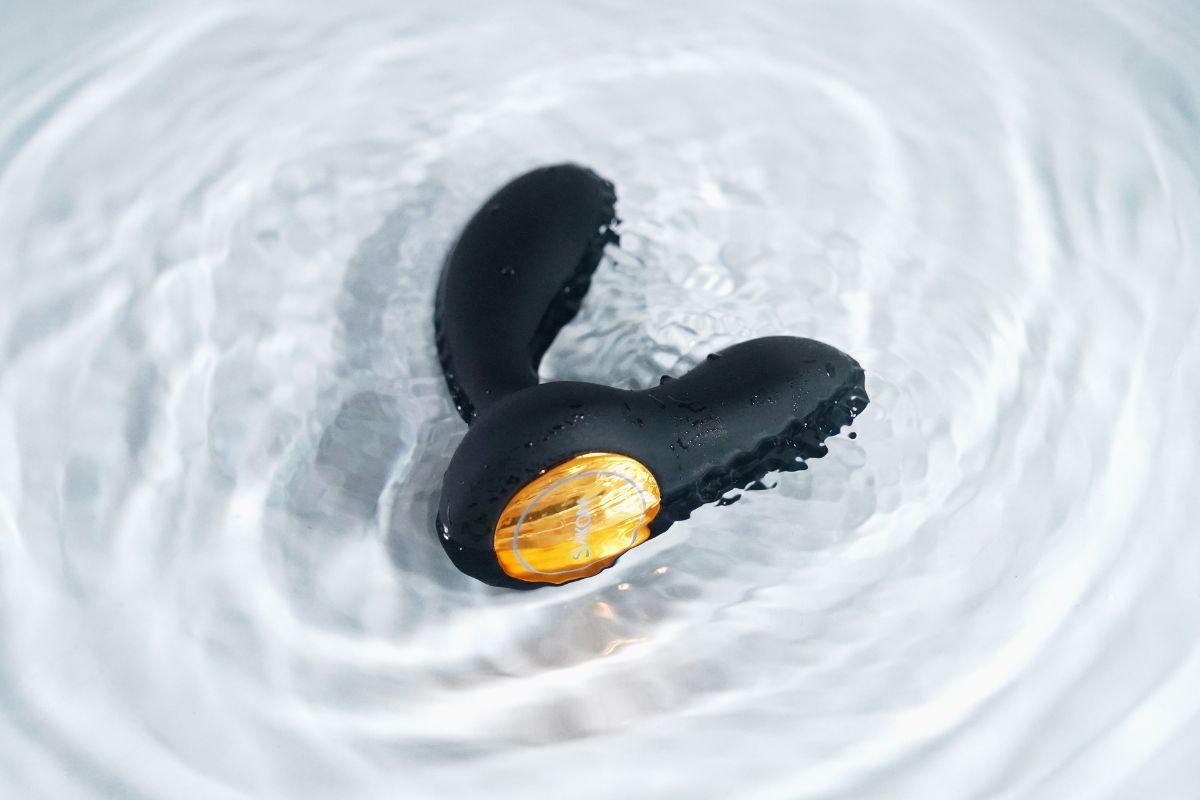
If there’s ever a day you devote to enjoying your sex toys in water, make it December 5. That’s Bathtub Party Day!
An official event in the U.S., it also provides a good opportunity for adults worldwide to make a splash in their pursuit of sexual pleasure. If you don’t have a bath, you can still use the occasion to inspire some adults-only shower time action.
So, which sex toys should you choose for your aquatic adventure?
Forget Santa’s ‘naughty or nice’ list. We believe all adults deserve a gift this holiday season – and sex toys will keep on giving throughout the year! Use our gift guide to find the perfect present.