If you've spent time on social media, dating apps, or LGBTQ+ communities, you may have come across the term "pillow princess."
But what does it actually mean?
Like many dating and sexuality-related terms, the meaning can vary depending on who is using it and the context in which it's discussed. For some people, it's simply a sexual preference. For others, it's a label that can carry positive, neutral, or even negative connotations.
Let's explore the meaning of pillow princess, where the term comes from, and whether being a pillow princess is something to be concerned about.
What Is a Pillow Princess?
The pillow princess meaning generally refers to a person who prefers receiving sexual pleasure rather than giving it.
The term is most commonly used within lesbian and queer communities, although it can sometimes be applied more broadly in discussions about relationships and intimacy.
A pillow princess may enjoy being touched, stimulated, or pleasured by their partner while showing little interest in reciprocating those activities.
In simple terms, they prefer to be on the receiving end of sexual attention.
Where Did the Term Pillow Princess Come From?
The exact origins of the term are unclear, but it has been part of LGBTQ+ slang for many years.
The phrase is thought to come from the image of someone lying back on a pillow while their partner does most of the work.
Over time, the term became widely recognized within queer communities and eventually spread to mainstream dating culture through social media and online discussions.
Is Being a Pillow Princess a Bad Thing?
Not necessarily.
Like many sexual preferences, being a pillow princess is not inherently good or bad.
What matters is whether both partners are comfortable with the dynamic.
For example:
Some people genuinely enjoy giving pleasure.
Some people prefer receiving pleasure.
Some couples naturally develop a dynamic where one partner is more active than the other.
Problems usually arise when expectations don't match.
If one partner expects mutual giving and receiving while the other prefers only receiving, frustration and resentment can develop.
This is one reason communication is so important in relationships.
Why Do Some People Identify as Pillow Princesses?
People may identify as pillow princesses for many different reasons.
Personal Preference
Some individuals simply enjoy receiving pleasure more than giving it.
Just as people have different love languages or relationship preferences, they may also have different preferences when it comes to intimacy.
Comfort and Confidence
For some people, receiving feels more comfortable than taking a more active role.
This can be especially common among individuals who are still exploring their sexuality or building confidence in intimate situations.
Established Relationship Dynamics
Some couples naturally develop roles that work well for both partners.
If both people are satisfied, there may be no issue at all.
Healthy relationships don't have to look the same for everyone.
Pillow Princess vs Starfish: What's the Difference?
These terms are sometimes confused, but they are not identical.
A pillow princess generally refers to someone who prefers receiving pleasure.
A starfish is often used to describe someone who remains passive and disengaged during intimacy.
The key difference is participation.
A pillow princess may be enthusiastic, engaged, and responsive while still preferring to receive.
A starfish implies a lack of involvement or interest.
Because of this distinction, many people consider the terms very different.
Can a Pillow Princess Have a Healthy Relationship?
Absolutely.
The success of a relationship depends far more on communication, compatibility, and mutual respect than on any specific sexual preference.
In fact, this is closely related to the idea of sexual compatibility. Partners don't need to enjoy exactly the same things, but they should understand each other's needs and expectations. If you're curious about how couples navigate these differences, check out our guide on What Does Sexual Compatibility Really Mean?
A pillow princess can have a healthy relationship if:
Both partners are comfortable with the dynamic
Expectations are discussed openly
Both people's needs are respected
Nobody feels pressured or neglected
Compatibility matters more than labels.
What If Your Partner Is a Pillow Princess?
If your partner identifies as a pillow princess, the most important thing is to communicate openly.
Ask questions such as:
What do you enjoy?
What are your boundaries?
What makes intimacy satisfying for you?
What do you expect from a partner?
Avoid making assumptions based solely on labels.
Everyone's preferences and experiences are unique.
Many relationship issues stem from unspoken expectations rather than the preferences themselves.
What If Your Sexual Styles Don't Match?
A pillow princess dynamic isn't automatically a problem—but it can create challenges if partners have different expectations around giving and receiving. Relationship satisfaction often depends less on the dynamic itself and more on whether both people feel fulfilled and understood.
If one partner enjoys receiving while the other wishes for more mutual participation, honest communication should always come first. Talking about desires, boundaries, and expectations can help couples find a middle ground.
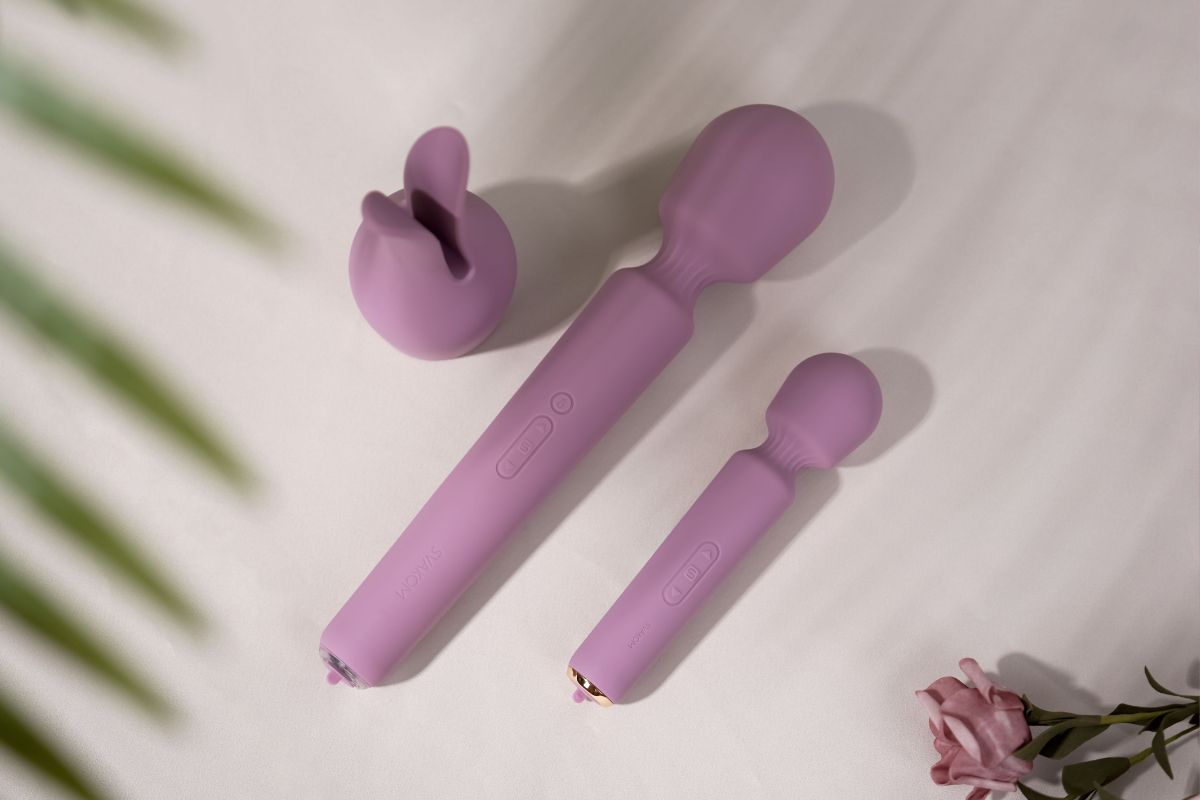
Some couples also find that introducing sex toys helps bridge differences in pleasure preferences. For example, Mini Emma Neo can be a great option for partnered play thanks to its compact size, powerful yet quiet vibrations, and easy positioning during foreplay or intimacy. Its small design makes it feel less intimidating while allowing couples to explore new sensations together.
Another option is Klitty, which combines suction, vibration, and a rotating tongue-like stimulator to provide targeted clitoral pleasure. For couples navigating different pleasure needs, incorporating additional stimulation can help create a more satisfying experience without taking away from intimacy or connection.
Should You Label Yourself as a Pillow Princess?
That's entirely up to you.
Some people embrace the term because they feel it accurately describes their preferences.
Others avoid labels altogether.
The label itself is less important than understanding your own desires and communicating them honestly with your partner.
After all, healthy relationships are built on authenticity, not fitting into a particular category.
The Bottom Line
The pillow princess meaning generally refers to someone who prefers receiving sexual pleasure rather than giving it, most commonly within lesbian and queer communities.
Being a pillow princess is not inherently positive or negative—it's simply a preference. What matters most is whether both partners communicate openly, respect each other's needs, and feel satisfied with the relationship dynamic.
As with many aspects of dating and intimacy, compatibility and communication matter far more than labels. Understanding your preferences—and discussing them honestly with your partner—can help create healthier, more fulfilling relationships.
What is a pillow princess?
A pillow princess is someone who prefers receiving sexual pleasure rather than giving it. The term is most commonly used within lesbian and queer communities, although it can sometimes be used more broadly when discussing intimacy and relationship dynamics.
Is being a pillow princess a bad thing?
No. Being a pillow princess is simply a sexual preference and is not inherently positive or negative. What matters most is whether both partners are comfortable with the dynamic and communicate openly about their expectations and needs.
What is the difference between a pillow princess and a starfish?
A pillow princess typically enjoys receiving pleasure and may still be engaged, enthusiastic, and responsive during intimacy. A starfish, on the other hand, is often described as someone who remains passive or disengaged. The key difference is active participation and interest.
Can a pillow princess have a healthy relationship?
Absolutely. A pillow princess can have a healthy and fulfilling relationship if both partners understand each other's preferences, communicate openly, and feel satisfied with the relationship dynamic. Compatibility and mutual respect matter more than labels.
Why do some people identify as pillow princesses?
People may identify as pillow princesses for many reasons, including personal preference, comfort levels, confidence, or relationship dynamics that naturally work for both partners. Every individual's experience and reasons are unique.
Should I tell my partner if I consider myself a pillow princess?
Yes. Open communication about preferences, boundaries, and expectations can help both partners better understand each other and build a satisfying intimate relationship. Honest conversations often prevent misunderstandings and improve compatibility.
ABOUT THE AUTHOR
Ivy H.
Relationships & Sexual Wellness Writer
RelationshipsDatingSexual WellnessModern Intimacy
Ivy Huang is a relationship and sexual wellness writer specializing in modern dating, intimacy, and personal well-being. With years of experience creating educational content for global sexual wellness brands, she helps readers navigate relationships, communication, pleasure, and self-discovery with confidence and clarity.
Through her writing, Ivy explores topics ranging from dating trends and attachment styles to sexual health and emotional intimacy. She is passionate about making conversations around relationships and sexuality more approachable, inclusive, and evidence-based.
Her mission is to empower individuals to build healthier connections, embrace their authentic desires, and cultivate fulfilling relationships at every stage of life.