What Does Bisexual Mean? Definition, Identity & Common Myths
by Jamie Lane
Bisexuality is a sexual orientation where a person can experience romantic, emotional, or sexual attraction to more than one gender. This might include attraction to men, women, non-binary people, or others—not necessarily at the same time, to the same degree, or in the same way.
The term focuses on capacity for attraction rather than specific behavior or equal preference. Many organizations, including the American Psychological Association and GLAAD, define it as the potential for attraction to people of multiple genders.
Bisexuality is a valid, standalone orientation. It exists on the spectrum of human sexuality and deserves the same respect as any other identity.
How Bisexuality Differs from Other Orientations
Sexual orientation describes patterns of attraction:
Gay or lesbian — Attraction primarily to the same gender.
Straight/heterosexual — Attraction primarily to a different gender.
Pansexual — Attraction to people regardless of gender (some overlap with bisexuality, but distinctions are personal).
Asexual — Little or no sexual attraction (can coexist with bisexual romantic attraction).
Bisexuality doesn't require "50/50" attraction or experience with multiple genders to be valid. Labels are tools for self-understanding—people may use "bisexual," "queer," or others interchangeably.
Why Understanding Bisexuality Matters
Clear definitions reduce stigma and support mental health. Bisexual individuals often face higher rates of anxiety or isolation due to misconceptions in both straight and LGBTQ+ communities. Accurate information fosters inclusion, better relationships, and self-acceptance.
Exploring orientation is personal. Some realize it early; others later. All paths are normal.
Common Myths and Misconceptions About Bisexuality
❌ Myth: Bisexuality is just a phase or confusion. ✅ Bisexuality is a stable orientation for many, backed by research from organizations like the APA. Attractions may shift over time (fluidity is common in sexuality), but that doesn't invalidate the identity. 🔍 How to tell: Listen to people's self-identification over time—consistent use of the label often reflects authenticity.
❌ Myth: Bisexual people in relationships are "really" straight or gay depending on their partner. ✅ Current relationships don't change orientation. A bisexual person with any partner remains bisexual. 🔍 How to tell: Orientation is about capacity for attraction, not current behavior—ask respectfully about self-perception rather than assuming.
❌ Myth: Bisexuality means equal attraction to all genders or only men and women. ✅ Attraction varies in intensity and doesn't exclude non-binary or other genders. The "bi" refers to multiple, not strictly two. 🔍 How to tell: Note inclusive definitions from GLAAD and HRC, which emphasize "more than one gender" without binaries.
Supporting Bisexual Visibility and Well-Being
Respect pronouns, labels, and experiences. Challenge biphobic comments. Resources from organizations like The Trevor Project or HRC offer support hotlines and communities.
Self-exploration through journaling, therapy, or safe intimacy can help. Premium, body-safe toys can aid solo discovery of pleasure across attractions.
Ready to Explore with Confidence?
SVAKOM offers app-controlled vibrators and massagers made from medical-grade silicone, perfect for personal exploration regardless of orientation. Prioritize consent, communication, and joy in all experiences.
이번 국제 여성의 날에, 우리는 전 세계 여성들과 연대하여 모든 건강과 충만함의 측면에 대한 자유로운 접근을 옹호합니다. 우리는 여러분이 여성의 삶에서 성 건강의 역할을 인정하고, 존중하며, 축하하는 데 동참할 것을 권장합니다. 성적 쾌락을 통한 권한 부여를 위해, 국제 여성의 날뿐만 아니라 매일매일을 기념합시다.
2024년 국제 여성의 날을 맞아, 우리는 성 평등을 향한 우리의 진전, 모든 분야에서 여성의 권한 부여, 그리고 여성의 쾌락을 축하합니다. 여성의 날은 단순한 날짜가 아니라, 운동이자 성명이며, 우리의 전반적인 건강의 일환으로 성적 웰빙의 중요성을 강조하는 시간입니다. SVAKOM은 고품질 성인용품의 선구자로서, 여성들과 함께하며 자기 사랑과 쾌락에 대한 그들의 권리를 옹호합니다.
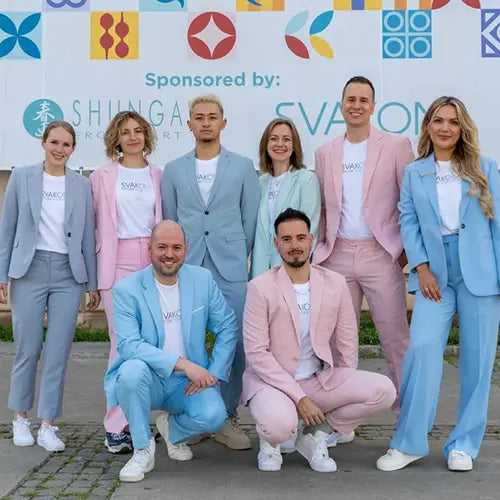
프라하 - 성인 장난감 브랜드인 Svakom이 자랑스럽게 발표합니다. 펄스 은하 Erofest 2024에서 수상하였습니다. 이 행사에서는 많은 것들 중에서도 감각적 탐험을 기념합니다 – 이는 우리의 혁신적인 제품이 모방한 개념이며, 따라서 이 수상은 브랜드의 혁신과 우수성에 대한 명성을 더욱 확고히 합니다.