Have you ever found yourself checking your phone repeatedly after sending a message?
Or felt your mood change completely because someone you’re dating took longer than usual to reply?
Maybe you find yourself constantly wondering:
“Do they still like me?” “Did I say something wrong?” “Are they losing interest?”
If these thoughts sound familiar, you may be experiencing signs of anxious attachment in dating.
Anxious attachment can influence how we approach romantic connections, how we interpret our partner’s behavior, and how secure we feel in relationships. The good news? Understanding your attachment style is the first step toward building healthier, more confident relationships.
What Is Anxious Attachment?
Attachment styles describe the patterns we develop around connection, intimacy, and emotional security. These patterns often begin in early relationships and can influence how we behave in romantic relationships as adults.
People with an anxious attachment style often crave closeness and reassurance but may also experience fear of rejection or abandonment.
In dating, this can look like wanting a deep connection while simultaneously worrying that the other person may leave.
Anxious attachment doesn't mean someone is "too needy" or incapable of having a healthy relationship. It simply means that uncertainty in relationships may trigger stronger emotional reactions.
Common Signs of Anxious Attachment in Dating
1. Overthinking Messages and Communication
One of the most common signs of anxious attachment is reading deeply into communication patterns.
A delayed reply might lead to thoughts like:
"Are they upset with me?"
"Did I do something wrong?"
"Are they talking to someone else?"
Instead of seeing a missed text as a normal part of life, your brain may interpret it as a sign that the relationship is in danger.
2. Seeking Constant Reassurance
Everyone wants to feel appreciated by their partner.
However, anxious attachment can create a strong need for frequent confirmation:
"Do you still like me?"
"Are we okay?"
"Do you really want to be with me?"
While reassurance can feel comforting in the moment, relying on someone else to constantly calm your fears can create stress for both partners.
3. Fear of Losing Someone Before the Relationship Is Secure
People with anxious attachment may become emotionally invested very quickly.
You might start imagining a future together after only a few dates or feel deeply affected by changes in their behavior.
This often happens because the desire for connection is strong—but the fear of losing that connection is equally powerful.
This uncertainty can be even more challenging when you're in a relationship without clear labels or expectations. If you're unsure where your connection stands, you may want to read Are You in a Situationship? to better understand the signs of relationship ambiguity.
4. Struggling With Boundaries
When you're afraid of losing someone, you may prioritize their needs over your own.
This can include:
Changing your plans to always be available
Avoiding expressing your true feelings
Accepting behavior that makes you uncomfortable
Ignoring your own needs to keep the peace
Healthy relationships require two people who choose each other—not one person constantly trying to prove their value.
5. Feeling Jealous or Comparing Yourself
Anxious attachment can make uncertainty feel threatening.
You may find yourself comparing yourself to others, worrying about your partner's past relationships, or feeling insecure when they interact with other people.
These feelings don't mean you don't trust your partner. They may simply reflect deeper fears about being replaced or not being enough.
Why Does Anxious Attachment Happen?
Attachment patterns develop from many experiences, including childhood relationships, past romantic experiences, and personal insecurities.
For some people, inconsistent emotional support in the past can create a fear that love is unpredictable.
For others, painful relationship experiences—such as being ghosted, cheated on, or suddenly abandoned—can make future connections feel uncertain.
Understanding where these feelings come from can help you respond to them with awareness instead of letting them control your behavior.
How to Manage Anxious Attachment in Dating
1. Learn to Recognize Your Triggers
The first step is noticing when anxiety appears.
Ask yourself:
What happened right before I started feeling insecure?
Am I reacting to something real, or am I imagining the worst-case scenario?
What evidence do I actually have?
Creating space between a feeling and a reaction can help you make healthier choices.
2. Build Your Own Sense of Security
A healthy relationship should add happiness to your life—not become the only source of it.
Continue investing in:
Friendships
Hobbies
Personal goals
Self-care routines
The more fulfilled you feel independently, the less pressure you place on a relationship to provide constant reassurance.
3. Communicate Openly
Instead of testing your partner or hoping they guess what you need, communicate honestly.
For example:
Instead of: "You never care when you don't reply."
Try: "I sometimes feel anxious when communication suddenly changes. Can we talk about what works for both of us?"
Open communication creates understanding instead of conflict.
4. Choose Emotionally Available Partners
Anxious attachment can become especially challenging when paired with someone who is inconsistent or emotionally unavailable.
Look for partners who:
Communicate clearly
Follow through on promises
Respect your feelings
Make you feel secure rather than confused
A healthy relationship should not feel like a constant guessing game. It can also help to understand where your relationship stands. Knowing the difference between Exclusive Dating vs Relationship: What's the Difference?can help set realistic expectations and reduce unnecessary anxiety.
Can Someone With Anxious Attachment Have a Healthy Relationship?
Absolutely.
Having an anxious attachment style doesn't mean you're destined for unhealthy relationships.
Many people learn to develop a more secure attachment style through self-awareness, communication, and healthier relationship experiences.
The goal isn't to stop caring or become completely independent.
The goal is to feel confident enough to love someone without losing yourself in the process.
The Bottom Line
Anxious attachment in dating can make relationships feel overwhelming, especially when uncertainty triggers fears of rejection or abandonment.
But awareness creates change.
By understanding your patterns, building self-confidence, communicating openly, and choosing partners who provide consistency, you can create relationships that feel safe, supportive, and fulfilling.
If you've ever stayed in an undefined relationship because the fear of losing someone felt stronger than the discomfort of uncertainty, you're not alone. Our article Why Do People Stay in Situationships? explores the emotional reasons many people remain in connections that no longer meet their needs.
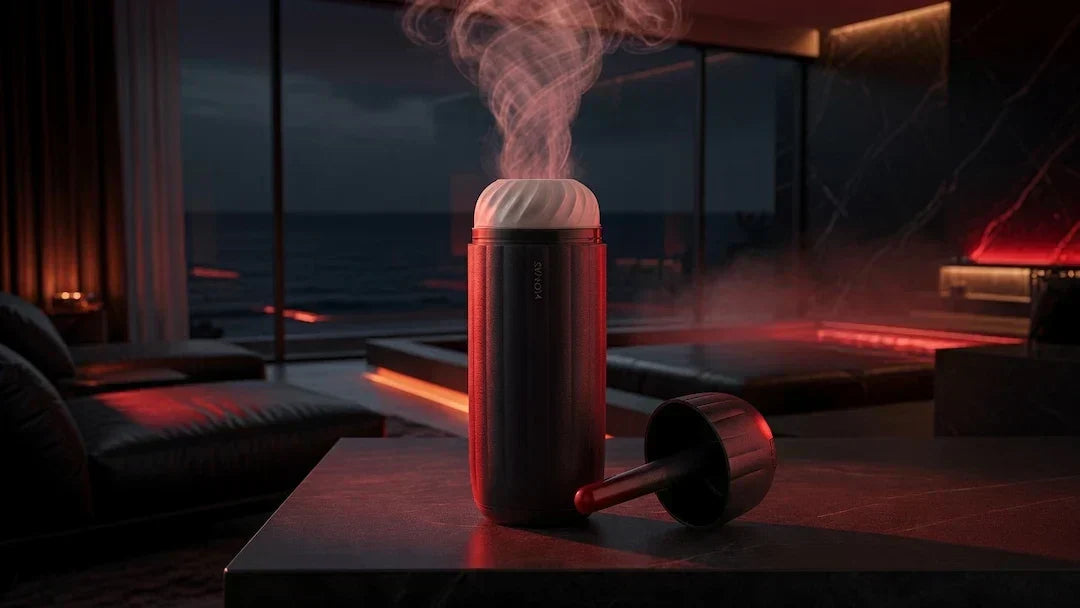
And remember—your relationship with yourself matters just as much as your relationship with someone else. Whether you're taking time to reconnect with your own desires or exploring pleasure while navigating the dating world, self-discovery is an important part of feeling confident and empowered. For those moments when you want to focus on yourself, Klitty offers personalized pleasure for women, while Sam Neo 2 Pro provides an immersive solo experience designed for men.
The best compliments after sex are honest and specific. Learn what to say, why it matters, and how a few sincere words can deepen emotional connection.
Dating apps have completely transformed how we meet potential partners. With thousands of profiles available at our fingertips, finding a date has never been easier—or has it?
Discover five intimate sex toys for couples that encourage connection, communication, and shared exploration — from gentle massage to app-controlled play.
Praise kink is when kind words and encouragement during sex turn you on. As a woman who has explored this, I’ve found it can feel surprisingly intimate and powerful. In this guide, I talk about what praise kink feels like in real life, share natural phrases many women enjoy, and show how to combine it with toys like the SVAKOM Klitty and DuoGlow.
Automatic suction masturbators have become increasingly popular among men looking for hands-free stimulation. But what do they actually feel like, and how do you choose the right one?Since then, I’ve spoken to quite a few people who had a similar reaction — many of them now say it’s become one of their favorite ways to enjoy solo pleasure.
In this guide, I share what I’ve learned about blowjob machines: what they actually feel like, how to choose one that suits your body, and how to use them safely and enjoyably. I also recommend the SVAKOM Sam Neo 2 and Sam Neo 2 Pro for their strong yet controllable suction, deep vibration, and thoughtful features like app control and heating.
For years, period sex has been surrounded by myths, stigma, and uncertainty. Many people grow up hearing that sex during menstruation is messy, embarrassing, or something to avoid altogether.
Many men want to last longer during sex. A cock ring is one of the simplest and most effective tools to help maintain a stronger erection and delay ejaculation. In this guide, I’ll explain how cock rings work, how to use them safely, and how to get the best results.