Why Am I Not Getting Wet? Causes and Natural Ways to Improve Lubrication
by Jamie Lane
Not experiencing enough natural lubrication can feel frustrating, confusing, or even embarrassing — but it’s far more common than most people admit. Natural lubrication is closely tied to arousal, blood flow, hydration, and how much time your body is given to respond. This guide walks you through realistic, body-friendly ways to increase natural wetness, both on your own and with a partner.
Why Am I Not Getting Wet?
Vaginal lubrication is your body’s natural response to sexual arousal. When you’re turned on, blood flows to the genital area and the vaginal walls produce fluid that reduces friction and makes touch more pleasurable.
If you’re not getting as wet as you’d like, common reasons include:
In most cases, it’s not that your body is “broken” — it’s that the conditions for natural lubrication haven’t fully lined up yet. Learning how to get horny and build arousal more effectively often helps.
How to Increase Natural Lubrication: Practical Techniques
Here are the most effective approaches that actually support natural lubrication:
1. Give your body more time
Many women and people with vulvas need significantly more time to become fully aroused and naturally lubricated. Rushing into penetration is one of the most common reasons someone feels “not wet enough.” Slow down. Spend more time on kissing, touching, grinding, or simply noticing sensation before any penetration happens.
2. Focus on clitoral stimulation
The clitoris is rich in nerve endings and plays a major role in arousal. Direct or indirect clitoral stimulation increases blood flow and often triggers stronger natural lubrication. This can be done with fingers, a partner’s mouth, or a gentle vibrator.
3. Use your mind
Mental arousal is powerful. Erotic thoughts, fantasies, reading, or watching something that turns you on can help your body respond physically. Many people notice they get wetter when their mind is engaged, not just their body.
4. Stay hydrated and support overall health
Your body needs water to produce fluids. Chronic stress, poor sleep, and certain medications can also reduce lubrication. Basic self-care — drinking enough water, managing stress, and getting rest — often makes a noticeable difference over time.
5. Try longer, more varied foreplay
Explore non-genital touch, breast and neck stimulation, grinding with clothes on, or mutual masturbation. The goal is to build arousal gradually rather than treating lubrication as something that should appear on demand. Techniques like syntribation or other hands-free methods can also help some people tune into their body’s responses.
When Lubricant Is a Smart Choice
Even when you’re highly aroused, extra lubricant can make everything more comfortable and pleasurable. Using lube is not a sign that something is wrong — it’s simply practical.
Water-based lubricant is generally the best everyday choice. It is body-safe, compatible with most sex toys and condoms, easy to clean up, and less likely to cause irritation than many other formulas. Many people find that adding a bit of water-based lube early actually helps them relax and become more aroused, which in turn supports more natural wetness.
Can Toys Help You Get Wetter?
Yes — when used to increase arousal rather than force a result. Gentle clitoral stimulation with a vibrator can boost blood flow and help the body produce more natural lubrication. Wearable options, such as the SVAKOM Edeny panty vibrator, can also support hands-free stimulation.
You can explore more options designed for arousal and clitoral pleasure in our female sex toys collection. The key is to keep the intensity comfortable and give your body time to respond. Toys work best as a support for arousal, not as a replacement for it.
Common Mistakes That Make It Harder
Rushing into penetration before you’re fully aroused
Feeling pressured or self-conscious about how wet you “should” be
Relying only on penetration for stimulation
Ignoring stress, sleep, or hormonal factors
Using products that irritate sensitive tissue
Approaching the experience with curiosity instead of pressure usually leads to better results.
Frequently Asked Questions
Is it normal to not get very wet sometimes?
Yes. Lubrication varies based on arousal level, stress, hormones, hydration, and many other factors. It doesn’t mean anything is wrong with you.
How long does it usually take to get wet?
It varies widely. Many people need 15–20 minutes or more of effective stimulation and mental engagement before natural lubrication is plentiful.
Can stress really affect how wet I get?
Absolutely. Stress activates the body’s fight-or-flight response, which can reduce blood flow to the genitals and make arousal (and lubrication) harder.
Does using lube mean I’m not aroused enough?
No. Plenty of highly aroused people still prefer or need extra lubrication. Water-based lube is a practical tool, not a judgment.
Can toys help with natural wetness?
Yes, when they increase arousal and blood flow. Gentle clitoral stimulation often helps the body produce more natural lubrication. Explore options in our female sex toys collection.
What kind of lubricant is best?
Water-based lubricant is usually the most versatile and body-safe choice. It works well with toys and condoms and is less likely to cause irritation for most people.
This article is for informational and educational purposes only. It is not a substitute for professional medical, sexual health, or therapeutic advice. Sexual wellness is deeply personal. Always prioritize ongoing consent, open communication, and respect for your own and your partner’s boundaries and comfort levels.
Getting wet is less about forcing a result and more about creating the right conditions — time, arousal, relaxation, and attention to your body. When you approach it with curiosity instead of pressure, your body often responds more readily.
Jamie Lane Jamie Lane is a passionate sex educator and sexual wellness advocate dedicated to pleasure-focused, shame-free sexuality. With years of experience in counseling, workshops, and content creation, she empowers individuals and couples to confidently explore body autonomy, intimacy, and pleasure. Using a science-based and inclusive approach, Jamie shares honest sex toy insights and evidence-backed tips for deeper connections. Join her in breaking taboos and embracing a more fulfilling sex life.
Some people might say stuff like “I have low libido” or “I have a very high libido,” but the truth is that this doesn’t really make sense. Libido isn’t something you either have or don’t have. It’s like hunger—it can fluctuate, and that’s how it’s supposed to work.
Most women searching for “vaginal orgasm” wonder if it’s real, how it feels different from clitoral, and whether they can actually experience it. In this complete 2026 guide we break down the science, step-by-step G-spot and blended techniques, and how SVAKOM’s dual-stimulation rabbit vibrators make deeper, full-body pleasure easier and more accessible than ever. Slow down, explore, and discover the difference.
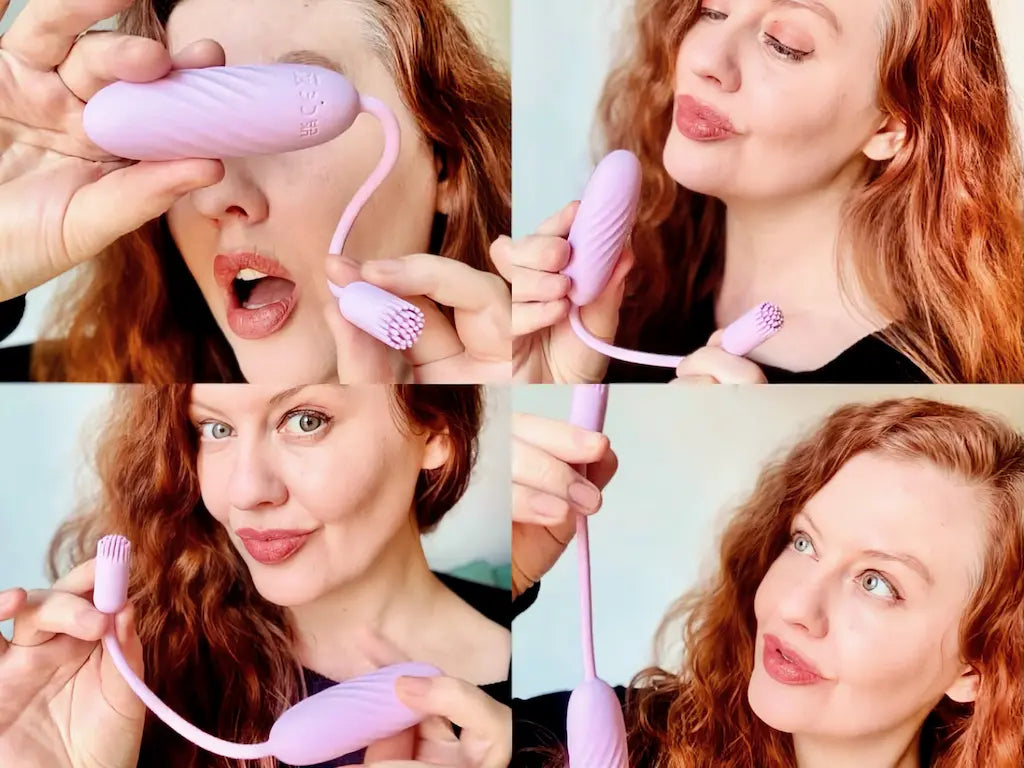
Plume means “feather” in French — and this SVAKOM dual-sensation vibrator truly lives up to its name. A soft, flexible brush tail delivers feather-light teasing, while the powerful vibrating egg body offers deeper, grounding pleasure. From sensual foreplay on face, neck and nipples to slow, intentional exploration, Plume invites you to slow down and truly feel. Perfect for mindful solo moments or playful partnered play, it proves that light touch can be the most intense pleasure of all
Has this ever happened to you? Sex was good. The connection seemed to be there. It could have been the best night of your life, but… In a matter of minutes, everything was over. No cuddles, no smooth endings. Just a sudden change in the vibe.
Have you ever almost reached orgasm, and then decided to stop? You switch position or change activity, with the purpose of delaying the gratification of orgasm… And making the whole experience last longer.
Anal play deserves patience and care. Learn how to prepare safely and comfortably—from hygiene and lube to communication and aftercare—so you can relax and truly enjoy the experience.
For centuries, female pleasure has been misunderstood, ignored, or treated as secondary in conversations about sexuality. Today, science and open dialogue are helping change that narrative. Discover why female pleasure is not only natural, but an important part of wellbeing, confidence, and personal empowerment.
Vibrator vs Suction Toy: What’s the Difference (and Which Should You Choose)?
If you’re finding yourself torn between a classic vibrator and a suction toy, welcome to the club. On paper, they both stimulate the clitoris. In practice? They can feel worlds apart.
BDSM isn’t only about extremes: it’s about trust, communication, and intentional pleasure. Discover how to explore gentle power dynamics safely, understand consent and boundaries, and build confidence through informed, respectful play.
Discover SVAKOM’s hottest pink vibrators in 2026. From gentle clitoral stimulators and powerful G-spot vibrators to app-controlled and heating models — explore key features, real usage scenarios, and expert techniques for maximum pleasure. Body-safe, whisper-quiet, and designed for women and couples.